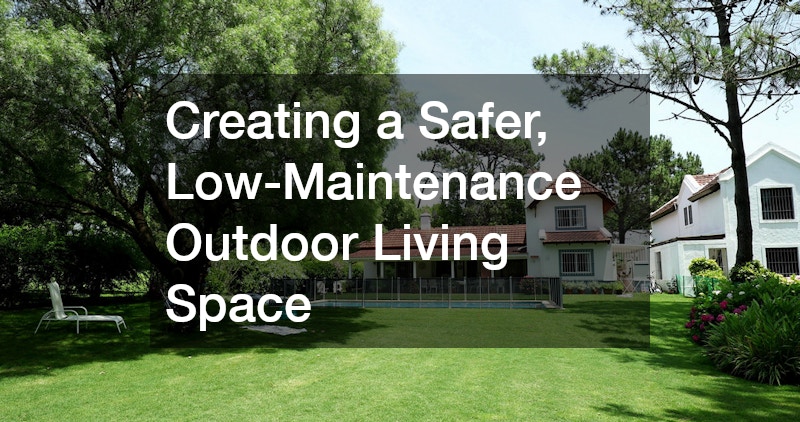
Outdoor living spaces have evolved far beyond a simple patio and a grill. Today, they function as second living rooms, gathering spaces, work-from-home retreats, and play areas. But the more we use our yards, decks, and patios, the more important two factors become: safety and ease of maintenance.
A beautiful backyard loses its appeal quickly if it floods after every storm, grows slippery with algae, or constantly needs repairs. The goal isn’t just to make your outdoor space look good for one season. It’s to design it so that it stays functional, durable, and safe for years with minimal effort.
What follows is a practical, in-depth guide to building and maintaining an outdoor living area that works hard for you—without demanding constant attention in return.
Start With a Clean, Stable Foundation for Your Yard
Before you think about furniture, fire pits, or lighting, look at the ground beneath your feet. Many outdoor safety problems begin below the surface.
If your yard has uneven terrain, hidden tree stumps, exposed roots, or leftover debris, you’re starting with instability. In some cases, light cleanup with basic tools is enough. In others—especially on properties with dense overgrowth or past neglect—professional land clearing may be necessary to remove deep root systems and level the area properly. Cutting corners here can lead to sinking patios, cracked walkways, and water pooling later.
Once the area is cleared, stability becomes the focus. Proper grading ensures water flows away from structures rather than collecting in low spots. Even a slight slope can make a dramatic difference in preventing erosion and slippery conditions.
When installing patios, driveways, or walkways, material choice matters. Slip-resistant surfaces, textured concrete, or properly installed pavers offer safer footing than smooth finishes. This is where experienced paving contractors make a difference. Ask about:
- Compacted base preparation depth
- Drainage planning beneath hardscapes
- Long-term maintenance expectations
- Expansion joints to prevent cracking
A solid foundation is rarely visible once the space is finished—but it’s the reason everything else works. If the ground shifts, the rest of your outdoor environment eventually follows.
Improve Drainage To Prevent Slips and Structural Damage
Water is subtle. It rarely causes immediate disaster. Instead, it slowly undermines safety and stability over time.
If you’ve ever noticed puddles lingering long after rain, moss forming on walkways, or damp soil hugging your foundation, drainage likely needs attention. These aren’t just cosmetic issues. They increase slip hazards, weaken surfaces, and can even compromise your home’s structural integrity.
The first step is observation. After a heavy rain, walk your property and note:
- Where water collects
- Whether it flows toward the house
- Areas that remain damp for days
For mild pooling, regrading soil or extending downspouts may be sufficient. For more persistent issues, professional drain services can evaluate whether French drains, channel drains, or subsurface systems are necessary.
There’s also a connection many homeowners overlook: exterior drainage affects interior health. Persistent water around the foundation can lead to long-term moisture infiltration. That’s when basement waterproofing becomes part of the conversation. Addressing outdoor drainage early often prevents far more expensive indoor repairs.
Think of drainage as invisible insurance. You won’t admire it every day—but you’ll be grateful for it during every storm.
Install Smart Electrical Features Without Creating Hazards

Outdoor lighting transforms a space. It improves ambiance, extends usability into the evening, and most importantly, reduces accidents. But electricity outdoors demands caution.
This is not an area for guesswork. A licensed electrician ensures wiring is weatherproof, properly grounded, and compliant with code. Outdoor-rated outlets, conduit protection, and GFCI (ground fault circuit interrupter) outlets are essential safeguards.
Rather than simply adding lights for aesthetics, design with safety in mind. Illuminate:
- Steps and elevation changes
- Pathways leading to entrances
- Cooking areas
- Seating zones with low visibility
Balance is key. Too much glare can be as problematic as too little light. Soft, evenly distributed illumination prevents harsh shadows where trip hazards hide.
If your outdoor space includes a kitchen, entertainment system, or heating elements, periodic inspections matter. Weather exposure gradually degrades wiring. A quick annual check prevents unexpected outages—or worse.
Done correctly, electrical upgrades quietly enhance comfort while minimizing risk.
Keep Outdoor Structures Stable and Weather-Resistant
Detached garages, sheds, covered patios, and pergolas add function to your yard—but they also introduce structural responsibility.
If you’re adding a new outbuilding, consulting a local garage builder ensures proper footing, wind resistance, and framing integrity. In regions prone to heavy rain or high winds, structural reinforcements aren’t optional—they’re protective measures.
Beyond structure, exterior surfaces need attention. Choosing durable siding materials for outdoor buildings reduces moisture intrusion and long-term deterioration. Fiber cement, engineered wood, and certain composite materials resist rot better than untreated wood.
Take time each year to inspect:
- Caulking around joints
- Soft spots in framing
- Signs of warping or separation
- Rusted fasteners
Even small gaps allow moisture inside walls, creating long-term decay that isn’t immediately visible. Preventive attention extends lifespan and eliminates surprise repair bills.
Outdoor structures should feel solid under pressure. If something wobbles or shifts, that’s not a cosmetic flaw—it’s a safety signal.
Prevent Mold and Moisture From Spreading Outdoors
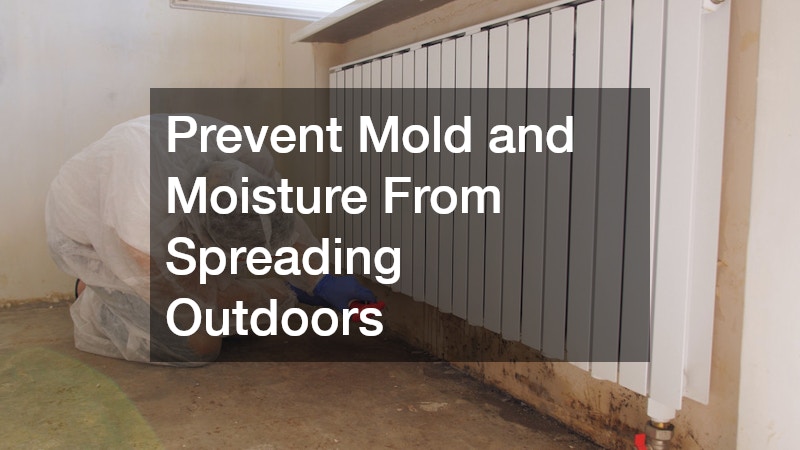
Moisture doesn’t need an enclosed basement to cause trouble. Shaded decks, covered patios, and poorly ventilated exterior walls can foster mold growth.
You might first notice discoloration on wood or a musty smell lingering under a covered space. Left unaddressed, these conditions can escalate into health risks and material deterioration.
Start with airflow. Covered outdoor areas need ventilation to prevent trapped humidity. Consider ceiling fans, open eaves, or strategic spacing between structures.
Routine cleaning also plays a role. Gentle power washing (when appropriate for materials) and sealing porous surfaces reduce moisture retention.
If dark staining spreads quickly or persists despite cleaning, professional black mold remediations may be necessary. Early intervention prevents contamination from spreading to adjacent materials.
Mold prevention is ultimately about moisture control. Keep surfaces dry, improve airflow, and act quickly when something looks off.
Create Privacy Without Sacrificing Security
Privacy improves comfort. But poorly designed barriers can create blind spots or structural hazards.
A well-built privacy fence defines space, reduces noise, and shields you from neighboring views. However, stability matters as much as appearance. Posts must be anchored below frost lines where applicable, and materials should resist warping or rot.
Choose materials that align with your maintenance goals. Vinyl and composite options generally require less upkeep than untreated wood.
Gate design is another safety factor. Self-closing hinges and secure latches prevent unintended access, especially if children or pets use the space.
Walk your fence line twice a year. Look for leaning posts, loose boards, or rusting hardware. Small corrections prevent larger collapses during storms.
Privacy should enhance peace of mind—not create hidden vulnerabilities.
Maintain Comfortable Temperatures Year-Round
An outdoor living area loses its appeal if it’s unusable during extreme heat. Comfort and safety overlap here more than people realize.
Covered patios trap warm air, especially in humid climates. Ceiling fans improve airflow, while shade structures reduce direct sun exposure. Strategic landscaping—like deciduous trees placed for seasonal shading—can lower surface temperatures naturally.
If your outdoor space connects to interior cooling systems or includes mini-split units, regular AC repair ensures efficiency and reliability. An underperforming system strains energy use and reduces comfort.
Even without built-in cooling, small upgrades help:
- Install reflective roofing materials
- Choose light-colored patio surfaces
- Add retractable awnings
- Use outdoor-rated misting systems sparingly
Comfort isn’t just a luxury. Heat stress increases dehydration risks, especially for children and older adults. Designing for moderate temperatures keeps your outdoor space welcoming and safe.
Choose Materials That Reduce Long-Term Maintenance
Trendy materials often demand constant upkeep. Durable materials quietly perform without weekly attention.
When planning hardscapes, discuss longevity with paving contractors rather than focusing solely on aesthetics. Properly sealed concrete, high-quality pavers, and composite decking may cost more upfront but reduce staining, cracking, and sealing frequency.
For exterior cladding, durable siding materials resist moisture and insect damage better than traditional wood. While no surface is maintenance-free, some dramatically reduce repainting and repairs.
Before committing to any material, ask:
- How often does it need sealing or staining?
- Does it resist UV damage?
- Is it slip-resistant when wet?
- What is its typical lifespan?
Low-maintenance design isn’t about eliminating work entirely. It’s about choosing materials that don’t demand constant correction.
Build With Storm Protection in Mind
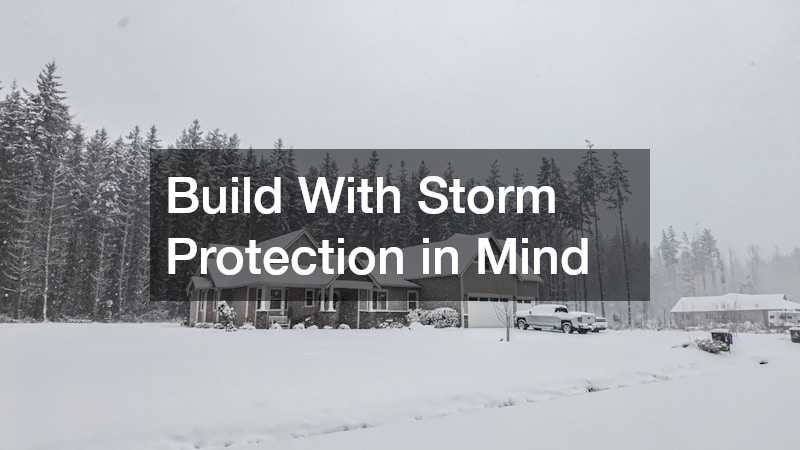
Storm planning is easiest before damage occurs.
Strong winds test fences first. Ensuring your privacy fence posts are properly anchored reduces the risk. Reinforced hardware and wind gaps in panels can reduce resistance pressure.
Water management remains central here. Redirect runoff away from foundations and inspect grading annually. Exterior water issues often precede interior ones, including the need for basement waterproofing.
Secure loose elements as well. Heavy outdoor furniture can become projectiles during severe weather. Store cushions and anchor lightweight features.
A brief pre-storm checklist might include:
- Clearing debris from drains
- Checking fence stability
- Securing umbrellas and shade sails
- Confirming water flows away from structures
Storm resilience isn’t dramatic. It’s preventative. A few small measures protect significant investments.
Plan a Maintenance Routine That Prevents Major Repairs
Low-maintenance doesn’t mean no maintenance. It means consistent, manageable upkeep that prevents large failures.
Create a simple seasonal rhythm:
Spring: Inspect drainage systems and schedule drain services if water flow seems restricted.
Summer: Clean surfaces and monitor shaded areas for moisture accumulation.
Fall: Clear debris from gutters and ground-level drains.
Winter: Check structures for wind or snow damage.
If damp conditions persist in certain areas, remain vigilant for signs that may require professional black mold remediations. Addressing moisture early keeps it from spreading.
A maintenance notebook—or even a simple phone reminder—helps you stay consistent. Small inspections take minutes but prevent expensive repairs that disrupt your enjoyment of the space.
When something feels ”off,” trust that instinct. Outdoor environments communicate through subtle signs: shifting pavers, soft soil, and minor discoloration. Acting quickly preserves both safety and simplicity.
Design With Everyday Use in Mind
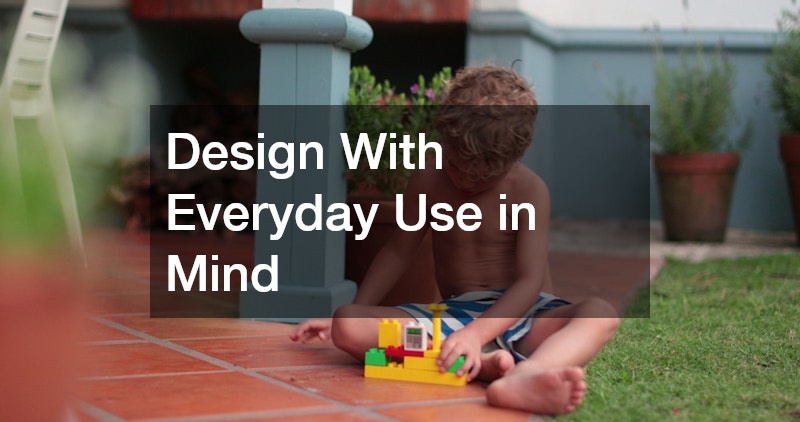
It’s easy to design an outdoor space for special occasions—barbecues, birthday parties, or holiday gatherings. But the true test of a safe, low-maintenance space is how it performs on an ordinary Tuesday evening.
Think about how you actually move through your yard. Do you carry groceries across the patio? Do kids run from the back door to the lawn without slowing down? Does the dog sprint full speed along the fence line?
Designing for real life often means widening walkways slightly beyond minimum recommendations. It means choosing rounded furniture edges instead of sharp corners. It means placing frequently used seating close to the door rather than across uneven terrain.
Small layout adjustments can reduce accidents dramatically. For example, placing grilling stations away from high-traffic pathways prevents crowding. Keeping garden tools stored in sealed deck boxes eliminates tripping hazards. Installing subtle transitions between surfaces—rather than abrupt height changes—keeps footing predictable.
Maintenance also becomes easier when storage is convenient. If cushions, covers, and tools have designated spaces nearby, you’re far more likely to put them away. The less effort required to maintain order, the more consistently it happens.
Outdoor spaces should support your habits, not fight against them.
Think Long-Term About Aging in Place
Many homeowners design outdoor areas for their current needs but forget to consider how those needs might change over time.
If you plan to stay in your home for many years, subtle accessibility upgrades today can prevent major renovations later. Smooth, stable surfaces with minimal gaps are easier for strollers, rolling carts, and eventually mobility aids. Wider gates and level thresholds remove barriers you may not even notice now.
Handrails along steps can be incorporated into the design so they look intentional rather than clinical. Good lighting becomes even more important as vision changes. What feels ”bright enough” today may feel dim in ten years.
Even the seating height matters. Chairs that are too low make standing difficult for older adults. Choosing supportive, slightly elevated seating adds comfort without changing the aesthetic.
The goal isn’t to overbuild. It’s to quietly future-proof your space so it continues serving you comfortably for decades.
Bringing It All Together
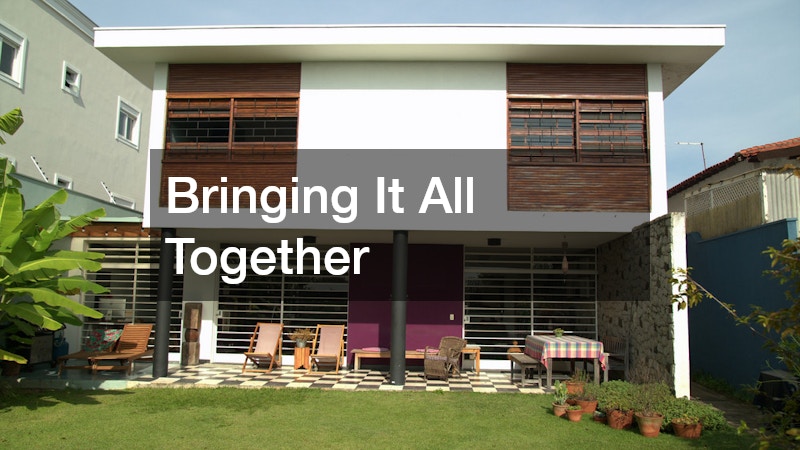
A safer, low-maintenance outdoor living space isn’t created by accident. It’s the result of intentional choices—starting with a stable foundation, planning for water movement, installing safe electrical systems, and selecting materials that age gracefully.
When you walk into your yard, you should feel relaxed, not concerned about hidden hazards or looming repairs. Safety and ease aren’t restrictive design principles. They’re the foundation for true enjoyment.
Build thoughtfully. Inspect regularly. Prioritize durability over trend.
Do that, and your outdoor living space will serve you season after season—with far less effort than you might expect.