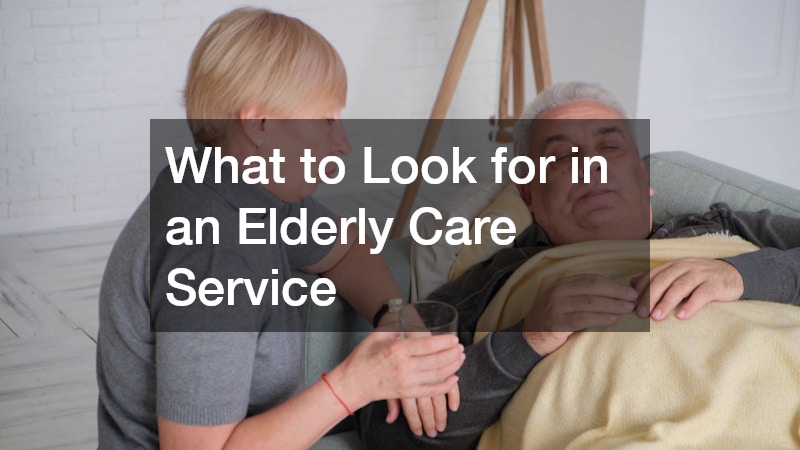
The journey of choosing an elderly care service begins with understanding the unique needs of the elderly. Aging individuals often face a variety of health challenges, from chronic illnesses to mobility issues, which require specialized care. It is crucial to take into account both the medical and emotional needs that the elderly may have.
An elderly care service that provides tailored solutions can greatly enhance the quality of life for seniors. Elderly care services need to be flexible enough to adapt to the changing needs of their clients.
When considering an elderly care service, it’s important to evaluate how they engage with the clients and their families. Communication is a key factor in ensuring that the services provided align with the expectations and requirements of the elderly and their families. The role of family in the care process can never be underestimated, and a good care service will keep them informed and involved. Many services offer regular updates and consultative meetings to discuss care plans and adjustments. This level of engagement ensures transparency and builds trust.
Another aspect to consider is the extent of support services provided by the care provider. Comprehensive elderly care services offer more than just medical aid; they encompass personal care, emotional support, and even companionship. It’s essential that a care service can provide support that addresses all facets of an elderly individual’s life. Such a holistic approach can significantly contribute to the mental well-being and happiness of seniors. Families should seek out services that offer a diverse range of support features.
Evaluating the Caregiver’s Expertise
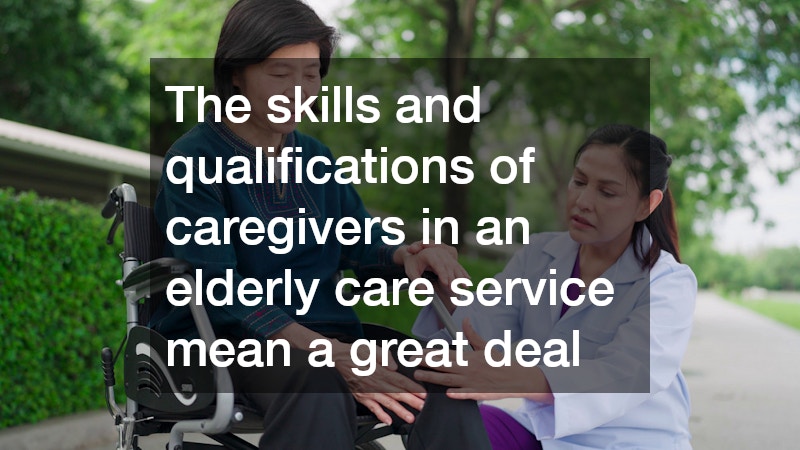
The skills and qualifications of caregivers in an elderly care service mean a great deal. Qualified caregivers should possess both the technical knowledge and empathy required to cater to seniors’ needs effectively. One way to evaluate this is to review the training programs and certifications the caregivers undergo. Elderly care services should ensure continuous education to keep their staff updated with the latest caregiving techniques and practices. This ongoing education is vital for delivering high-quality care.
Besides technical skills, the caregiver’s ability to build a rapport with the elderly is fundamental. Emotional intelligence plays a significant role in helping caregivers connect with seniors, providing not just medical care but also companionship. This relationship can alleviate feelings of loneliness and enhance the overall care experience. Effective elderly care services often employ caregivers who demonstrate compassion and a genuine desire to assist the elderly. This personal connection often makes a significant difference in the effectiveness of care.
A service’s reputation within the community can also serve as a testament to its caregivers’ capabilities. Reviews from previous clients, testimonials, and ratings are critical resources in evaluating a service’s quality. Many reputable elderly care services showcase their positive feedback and encourage prospective clients to talk with current or former patrons. This transparency fosters trust and gives potential clients insight into what they can expect. It is advisable for families to conduct thorough research and reach out to these references for detailed insights.
Assessing the Facility’s Environment
The physical environment of the elderly care facility is another crucial factor to consider. Facilities should be designed with safety as a priority, minimizing hazards and providing a secure environment for seniors. Accessibility features like ramps, handrails, and well-lit areas are fundamental. Moreover, the ambiance of cleanliness and orderliness can significantly impact the mental health of the residents. A well-maintained environment is often an indicator of the attention to detail a service provides.
Additionally, it is essential to consider what recreational activities and social programs are available. Facilities that offer a rich array of social activities can help seniors maintain a sense of community and engagement. Programs that include group exercises, art classes, and social gatherings can invigorate the spirits of the elderly. These activities not only provide entertainment but also promote physical health and social interaction. A robust social calendar is often indicative of a service dedicated to holistic wellness.
Choosing the right elderly care service is a pivotal decision that impacts the quality of life for seniors and peace of mind for their families. By focusing on the needs of the elderly, the expertise of the caregivers, and the quality of the facility environment, families can make informed choices. It is crucial to conduct thorough research, engage in discussions with service providers, and consider all options carefully. An effective service will prioritize the well-being of the elderly while accommodating the desires of their families. Ultimately, the right choice is one that offers comprehensive, compassionate, and consistent care.