Transitioning into the post-career phase of life is one of the most profound milestones an individual and their family will ever experience. For decades, daily routines, social interactions, and personal identity are heavily tied to professional endeavors. When those daily demands subside, a vast expanse of time opens up, presenting both incredible opportunities and unexpected challenges. Preparing for these years requires far more than simply ensuring a bank account is funded; it demands a holistic strategy that encompasses physical well-being, emotional fulfillment, legal readiness, social connections, and living arrangements that adapt to changing needs over time.
Families often find themselves navigating these complex waters together, balancing the desire for personal independence with the practical realities of physical aging. By approaching this stage with foresight, open communication, and structured planning, the transition can become a period of vibrant growth, renewed passion, and profound peace of mind. Taking early, deliberate steps ensures that every family member feels supported, respected, and fully empowered to live their later years to the absolute fullest potential.
- Establish open lines of family communication early to align on expectations and desires.
- Approach long-term planning as an evolving journey rather than a single fixed event.
- Focus on balancing personal independence with proactive safety and support systems.
Prioritizing Physical Health and Vitality

Maintaining optimal health forms the fundamental cornerstone of a fulfilling lifestyle as the body undergoes natural physiological changes over time. Preventive care, physical activity, proper nutrition, and modern medical treatments can dramatically enhance daily vitality, longevity, and long-term comfort.
Schedule Comprehensive Annual Health Screenings
Regular medical evaluations allow healthcare professionals to detect potential health issues before they become serious operational hurdles. Seniors should maintain a consistent schedule of routine blood work, bone density scans, vision exams, and cardiovascular evaluations to monitor overall baseline health effectively.
- Keep a centralized folder of all medical histories, prescription lists, and physician notes.
- Prepare specific questions before every specialist appointment to maximize time with doctors.
- Track key personal wellness metrics regularly, such as blood pressure and cholesterol levels.
Adopt a Tailored Nutritional and Fitness Plan
Maintaining physical strength, joint flexibility, and cardiovascular function requires consistent physical movement combined with nutrient-dense eating habits tailored to aging metabolic needs. Engaging in low-impact exercises like swimming, walking, or yoga helps preserve joint mobility, balance, and muscular strength. Furthermore, discussing hormone replacement therapy with a qualified physician may help manage stamina, bone density, and vitality issues associated with natural hormonal declines during later stages of life.
- Focus on lean proteins, rich antioxidants, and adequate hydration to preserve muscle mass.
- Incorporate gentle strength-training exercises twice weekly to protect overall bone health.
- Consult with specialized geriatric nutritionists to optimize daily meal choices and energy levels.
Foster Strong Mental Health and Cognitive Fitness
Cognitive health is just as critical as physical strength when it comes to maintaining personal independence and confidence. Keeping the mind active through reading, learning new musical instruments, engaging in complex creative hobbies, or solving challenging puzzles helps build robust cognitive reserve and keeps intellectual curiosity vibrant throughout the golden years.
- Dedicate time each day to active learning, logic puzzles, or creative writing exercises.
- Prioritize deep, restorative sleep to support cognitive processing and memory consolidation.
- Stay socially active to stimulate mental sharpess through lively conversations and group debates.
Cultivating Emotional Well-Being and Connection

The psychological transition away from full-time work can sometimes trigger unexpected feelings of isolation, loss of direction, or a diminished sense of identity. Intentional efforts to build community, nurture social bonds, and discover fresh purpose are vital for enduring emotional resilience.
Establish a Meaningful Daily Routine
Without the rigid structure of a standard workday, creating a personalized daily schedule provides essential structure and personal satisfaction. Block out dedicated time each morning for personal reflection, physical movement, creative pursuits, and social outreach to keep each day structured yet deeply rewarding.
- Start every morning with a predictable, grounding habit such as light stretching or reading.
- Balance quiet solo activities with active social engagements throughout the weekly calendar.
- Set flexible monthly goals to maintain a healthy sense of personal drive and achievement.
Invest in Multigenerational Family Relationships
Deepening emotional bonds with children, grandchildren, and extended family members brings immense joy and keeps individuals firmly rooted in family life. Plan regular family dinners, shared weekend trips, or scheduled video calls to stay actively involved in the lives of loved ones regardless of geographical distance.
- Organize weekly or monthly family gatherings to share meals and celebrate life milestones.
- Use digital tools and messaging apps to maintain real-time contact with younger relatives.
- Create shared traditions, such as annual vacation trips or holiday cooking sessions.
Explore New Hobbies and Volunteer Work
Retirement provides the unprecedented luxury of unhurried time, making it the perfect opportunity to dive into passions that were previously sidelined by career demands. Volunteering for local non-profit charities, mentoring younger generations, or participating in community garden projects offers a profound sense of deep contribution and community belonging.
- Identify local community organizations or non-profits aligned with personal values.
- Explore creative outlets like woodworking, painting, gardening, or local theater groups.
- Share lifelong professional skills by serving on community boards or youth mentoring programs.
Ensuring Legal and Financial Readiness

Securing financial assets and establishing explicit legal directives for healthcare and estate distribution relieves a massive emotional burden from both the individual and their surrounding family members during critical moments.
Organize Essential Financial and Medical Documents
Gather all crucial financial records, property deeds, insurance policies, and emergency contact information into a secure, centralized digital or physical location. Inform trusted family members about where these documents are stored so that necessary information can be accessed smoothly and quickly during unforeseen medical or legal emergencies.
- Maintain an updated inventory of bank accounts, investment portfolios, and insurance policies.
- Keep digital copies of important papers backed up in a secure, encrypted cloud folder.
- Review beneficiary designations on financial accounts every few years to ensure accuracy.
Draft Comprehensive Directives and Asset Strategies
Clear legal frameworks ensure that personal assets are distributed precisely according to specific wishes while minimizing tax burdens and administrative delays for heirs. Consulting with a qualified estate planning attorney can help individuals navigate complex asset management laws, dynamic tax implications, and protective asset management strategies effectively.
- Define healthcare directives clearly to outline medical treatment preferences in advance.
- Establish financial power of attorney documents to authorize trusted family representation.
- Schedule periodic legal reviews every five years to update documents based on new laws.
Establish Clear Power of Attorney Assignments
Appointing a trusted family member or professional advisor to act as a financial and medical proxy ensures that decisions strictly align with personal values if health issues arise. Having formalized wills and trusts in place provides complete clarity regarding asset distribution, protects accumulated wealth, and preserves family harmony during emotional personal transitions.
- Select proxies who understand your core personal values and can make tough choices under pressure.
- Discuss financial management expectations explicitly with designated legal agents beforehand.
- Provide copies of completed legal authorization forms to primary healthcare providers.
Adapting the Home Environment for Changing Needs
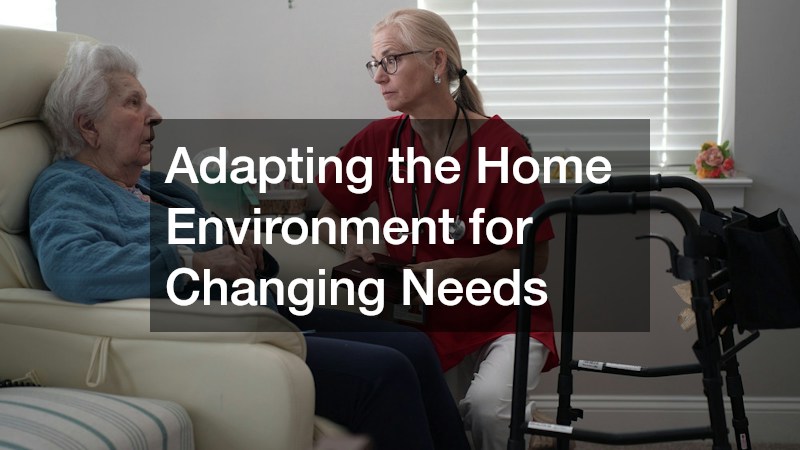
As physical capabilities change naturally with time, primary living spaces must be re-evaluated carefully to ensure safety, accessibility, and long-term daily comfort. Proactive home modifications can prevent dangerous household accidents and support continued personal autonomy.
Conduct a Thorough Home Safety Assessment
Simple structural modifications can dramatically reduce the risk of slips, trips, and severe falls in the home environment. Installing secure grab bars in bathrooms, adding non-slip flooring materials, improving overhead lighting in hallways and stairwells, and widening narrow doorways are practical adjustments that foster a far safer everyday living space.
- Remove loose throw rugs, clutter, and unanchored electrical cords from all main walkways.
- Install high-visibility, bright LED lighting near staircases, hall corridors, and doorways.
- Add sturdy handrails along both sides of every interior and exterior staircase.
Utilize Professional Support in the Home
When day-to-day household chores, complex meal preparation, or personal care tasks become difficult to manage independently, bringing in professional assistance allows individuals to remain in their cherished homes safely. Hiring trained caregivers can assist with meal preparation, medication reminders, and light housekeeping, offering immense peace of mind to both the individual and their surrounding family.
- Determine specific daily tasks where extra hands-on support would provide the most relief.
- Interview prospective care agencies thoroughly to evaluate staff credentials and references.
- Start with part-time support hours to allow comfortable adjustment to having help at home.
Integrate Non-Medical Home Assistance
Beyond formal medical management, practical day-to-day assistance can significantly reduce physical fatigue and personal strain. Utilizing professional in home care services ensures that personal grooming, mobility support, transportation, and daily errands are managed smoothly, allowing seniors to focus their energy on enjoyable leisure activities rather than exhausting household chores.
- Schedule routine assistance for heavy grocery shopping, home maintenance, and errands.
- Coordinate transportation support for social outings, appointments, and family visits.
- Combine household help with social companionship to foster positive daily engagement.
Exploring Specialized Community Living Environments
At certain stages of life, transitioning to a specialized residential community offers superior physical amenities, vibrant social engagement, and tailored physical support that traditional single-family homes cannot easily accommodate.
Consider Lifestyle Communities for Active Living
For those who are fully active and seeking a maintenance-free lifestyle paired with rich social calendars, specialized residential neighborhoods offer an ideal balance. Choosing independent senior living allows older adults to enjoy private residences alongside shared amenities like clubhouses, specialized fitness centers, organized group outings, and comprehensive exterior maintenance services.
- Tour multiple community options to get a genuine feel for their social culture and dining.
- Review included monthly amenities, such as landscaping, fitness classes, and security.
- Participate in community trial visits or attend public social events before committing.
Evaluate Supportive Living Facilities
When managing daily tasks becomes challenging, residential options that blend personal independence with daily physical assistance offer a fantastic middle ground. Moving to assisted living communities provides residents with personalized care plans, communal dining rooms, scheduled group transportation, and emergency assistance while maintaining private living spaces.
- Assess the staff-to-resident ratio to ensure timely, personalized daily care attention.
- Examine weekly activity calendars to verify that social programs match personal interests.
- Review specialized medical management capabilities available on-site during emergencies.
Explore Full-Service Senior Residential Homes
For individuals needing consistent daily help with essential personal activities like bathing, dressing, and mobility, specialized group residential facilities provide higher levels of hands-on attention. Facilities focused on adult assisted living deliver comprehensive personal care in a warm, home-like environment specifically designed to foster community interaction and physical safety.
- Look for residential layouts that minimize walking distances to main communal areas.
- Ensure the facility offers tailored personal care plans that adjust as needs change.
- Inquire about specialized wellness monitoring, physical therapy, and exercise programs.
Plan for Specialized Cognitive Support
When conditions like Alzheimer’s or other forms of progressive dementia begin to affect daily living, general residential environments may no longer provide sufficient physical safety or appropriate mental stimulation. Transitioning to dedicated memory care units ensures that individuals receive specialized therapeutic activities, secure physical environments, and compassionate care from staff specifically trained in cognitive decline management.
- Verify that secure outdoor spaces and sensory garden areas are available for safe wandering.
- Confirm that care staff receive ongoing, certified training in progressive dementia care.
- Ask about specialized cognitive therapies, structured daily routines, and music programs.
Celebrating Achievements and Preserving Legacy
Recognizing lifetime contributions while intentionally recording personal stories and wisdom creates a meaningful legacy that inspires future generations for decades to come.
Record Personal Histories and Family Stories
Every individual possesses a rich history filled with valuable life wisdom, unique personal experiences, and historical perspectives. Take time to write down personal memoirs, record audio interviews with younger relatives, or compile family photo albums with detailed notes to pass down to children, grandchildren, and great-grandchildren.
- Set up casual recorded conversations using simple smartphone audio recording applications.
- Gather old photographs and organize them into chronological albums with detailed captions.
- Focus on documenting personal life lessons, family origin stories, and core values.
Commemorate Career Milestones and Service
Acknowledging the decades of hard work and dedication that defined a professional career offers closure and immense pride as a new life chapter begins. Celebrating past achievements with personalized retirement awards serves as a tangible reminder of a career’s positive impact and marks the successful transition into well-deserved leisure time.
- Host a celebratory gathering with close colleagues, friends, and family members.
- Display commemorative plaques, photo books, or service mementos in a home office.
- Reflect on major career proudest moments and the lasting professional relationships built.
Build a Lasting Philanthropic Legacy
Establishing charitable giving strategies, setting up scholarship funds, or contributing directly to community foundations allows individuals to support causes close to their hearts long into the future. Engaging family members in these philanthropic decisions instills shared values and generational purpose.
- Identify local community non-profits or educational funds that align with personal values.
- Involve children and grandchildren in selecting charitable organizations to support annually.
- Work alongside financial advisors to structure tax-efficient philanthropic contributions.
Fostering Strong Family Communication
Navigating the complex logistics of aging requires open, honest, and continuous conversations between parents, adult children, and other supportive family members.
Hold Regular Family Meetings
Setting aside dedicated time to discuss long-term wishes, health updates, legal plans, and living preferences prevents misunderstandings during crisis situations. Frame these discussions around mutual respect, keeping the preferences, dignity, and personal autonomy of the aging individual at the center of every conversation.
- Establish an encouraging atmosphere where everyone feels heard without judgment.
- Focus on collaborative problem-solving rather than imposing decisions unilaterally.
- Document agreed-upon action steps after every major family gathering to maintain clarity.
Involve Professional Advisors Early
Including financial planners, elder law professionals, and healthcare coordinators in family discussions helps remove emotional bias and ensures decisions are grounded in practical reality. Professional guidance helps families explore options objectively and avoid common financial or legal pitfalls.
- Seek third-party guidance when navigating emotionally charged or complex decisions.
- Rely on certified care planners to evaluate physical safety needs objectively.
- Allow legal experts to clarify complicated asset distribution and health mandates.
Practice Active Listening and Flexibility
Plans made today may need sensible adjustment as health statuses, personal energy levels, and desires evolve over time. Approach conversations with flexibility, patience, and a willingness to adapt gracefully as circumstances change, keeping empathy at the core of all family interactions.
- Revisit long-term plans annually to account for changing health or personal preferences.
- Acknowledge emotional challenges that come with life transitions and physical changes.
- Celebrate minor victories and milestones along the way to build positive family energy.
Embracing the Journey Ahead
Preparing for the chapter following a full-time career is a dynamic process that touches every facet of life, from health and finances to living arrangements, personal growth, and emotional connection. Rather than viewing this period as an end to professional productivity, families can embrace it as an unprecedented era of personal freedom, deep connection, and self-discovery.
By proactively addressing legal affairs, exploring tailored living environments, prioritizing physical wellness, and nurturing multigenerational family relationships, the years ahead can be lived with boundless confidence and vitality. Taking thoughtful, proactive steps today lays a firm foundation for a secure, deeply enriching, and joyous future for the entire family.