As the golden hues of autumn yield to the sharp chill of late autumn and early winter, our living spaces naturally shift into our primary sanctuaries. A home should be a dependable shelter where loved ones gather, share meals, and find true comfort away from freezing temperatures and driving winds. However, maintaining consistent indoor comfort through months of severe cold requires much more than simply adjusting the thermostat upward. Cold weather tests every layer of a house, from the integrity of its foundation and the efficiency of its heating equipment to the resilience of its roof and outer perimeter.
True seasonal readiness involves taking a proactive, comprehensive approach to property care. When families prepare methodically, they not only guarantee physical warmth throughout every living area but also prevent costly structural emergencies, minimize utility spikes, and protect the overall safety of the household. A well-prepared residence stays comfortably warm while remaining structurally sound, secure, and resilient against the harshest seasonal elements.
Optimizing Primary Heating Infrastructure

A home cannot stay warm without a reliable and responsive core heating apparatus. Before prolonged cold spells arrive, examining, testing, and fine-tuning your heating equipment is vital to ensure stable indoor conditions and avoid emergency failures during peak winter days.
Scheduling Comprehensive Mechanical Inspections
Heating equipment works under heavy strain for months on end, which makes early mechanical maintenance essential for consistent indoor warmth. Components such as blower fans, heat exchangers, igniters, and safety switches should be evaluated before freezing weather hits. If unusual noises, short cycling, or poor airflow occur, it is wise to arrange professional furnace repair to resolve small mechanical issues before they turn into complete system breakdowns. Clean internal assemblies, lubricated moving parts, and precise electrical calibrations will allow mechanical components to run efficiently and distribute warm air evenly throughout every room of the house.
Managing Fuel Supplies and Distribution Channels
For residences that rely on distributed liquid fuels for warmth, fuel management demands ongoing vigilance and careful scheduling. Ensuring storage tanks are clean, free of sediment, and adequately filled prevents unexpected outages during severe winter storms. It is important to monitor the quality and delivery schedules of heating oils to guarantee that your equipment has a steady and uncontaminated supply during prolonged freezes.
- Maintain fuel levels well above the bottom quarter mark to prevent settled sludge from entering supply lines.
- Inspect fuel line gauges, shut-off valves, and tank support legs for any signs of corrosion, leaks, or seasonal wear.
- Schedule recurring fuel deliveries well ahead of anticipated deep freezes or blizzard warnings.
- Clean fuel strainers and inline filters to maintain clean combustion and prevent burner flame-outs.
Enhancing Thermostat Programming and Air Distribution
Even the most robust heating system requires proper control and unimpeded circulation to warm a living space properly. Calibrating thermostats and modernizing to programmable or adaptive units ensures that temperatures adjust according to your family schedule, keeping high-use rooms cozy while reducing heat waste in vacant areas.
- Replace thermostat batteries annually and check that internal sensors are clean and free of household dust.
- Relocate large furniture, long drapes, and storage bins away from floor registers, return vents, and baseboard radiators.
- Reverse ceiling fan rotation to run clockwise at low speeds, which gently pushes accumulated ceiling warmth back down into living zones.
- Balance airflow across multi-level residences by adjusting damper levers within duct runs to direct more heat toward ground-floor rooms.
Fortifying the Thermal Envelope and Exterior Entryways
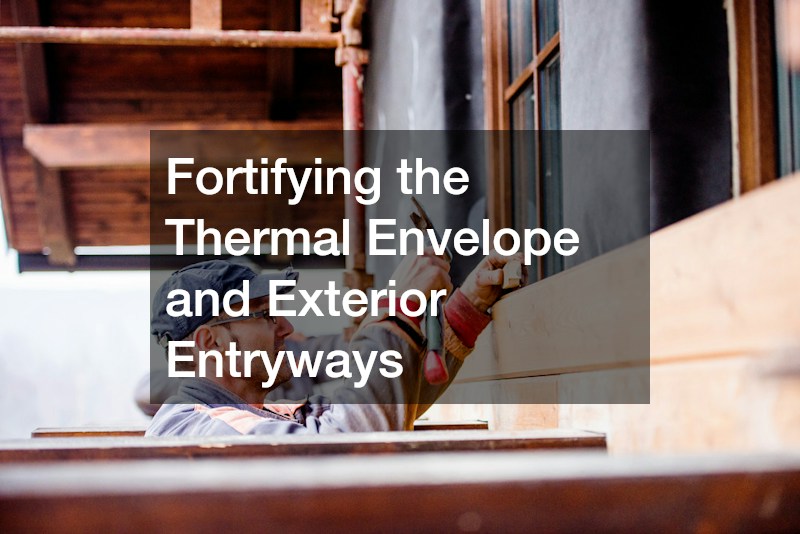
Preventing indoor heat from escaping is just as critical as generating warmth. The outer perimeter of your house serves as a primary shield against cold drafts, thermal bridging, and biting winds. By strengthening exterior entry points and eliminating air leaks, you lock in the heat you pay to generate.
Sealing Drafty Thresholds and Exterior Portals
Significant volumes of conditioned warm air escape through gaps around exterior entryways, leading to cold floors, uncomfortable rooms, and elevated fuel consumption. Taking time to inspect weatherstripping, install durable door sweeps, and invest in insulated doors will drastically lower heat transfer and keep cold exterior drafts completely outside. These reinforced exterior barriers work continuously to preserve cozy indoor temperatures even during sub-zero nights.
- Replace worn, flattened, or cracked rubber foam stripping around all exterior door jambs.
- Adjust adjustable door sills to ensure a tight, seamless contact against bottom sweeps without catching.
- Install heavy, thermal-lined draft stoppers along exterior thresholds leading to unheated basements or garages.
- Seal microscopic perimeter frame gaps with high-grade, paintable exterior silicone or polyurethane caulk.
Upgrading Glazing and Eliminating Window Heat Loss
Windows represent another significant vulnerability in your home thermal envelope. Glass panes lose heat rapidly through radiation and conduction, while dried caulking around frames allows cold air to infiltrate living spaces.
- Apply removable shrink-wrap insulating film across drafty single-pane windows to construct a dead-air insulating barrier.
- Mount floor-length, multi-layered thermal curtains over large picture windows and patio sliders to trap night chills.
- Replace brittle exterior glazing putty and re-caulk window casing seams on the exterior of the house.
- Keep south-facing curtains open during bright winter days to capture passive solar warmth, then close them tightly at dusk.
Fortifying Entry Hardware and Access Security
Cold weather causes wood frames and metallic fittings to contract, which can compromise the operational security and thermal sealing of exterior entry hardware. Ensuring latches draw doors tightly against weather seals is crucial for thermal retention and family peace of mind. Calling upon a reliable local locksmith service guarantees that locks, deadbolts, and strike plates are aligned accurately to maintain both physical security and a tight weather seal.
- Lubricate cylinder locks with dry powdered graphite rather than oil lubricants that can freeze and seize in sub-zero temperatures.
- Adjust metal strike plates so that exterior doors pull firmly against rubber perimeter seals when latched.
- Check that emergency escape locks and window latches function smoothly without sticking or requiring excessive force.
- Verify that deadbolts throw completely into door frames to resist wind-driven pressure and physical drafts.
Protecting Roofing and Chimney Systems

The roof and chimney system bears the direct brunt of winter elements, including snow accumulation, freezing rain, and high winds. Protecting these high-altitude components prevents cold air infiltration, structural collapse, and hazardous indoor air quality issues.
Inspecting Shingles and Flashing Integrity
Your roof acts as your first defensive barrier against snow loads, ice damming, and moisture infiltration. Before winter weather sets in, a comprehensive rooftop evaluation is critical to identify missing shingles, loose flashing, or damaged vent boots. Working with qualified roofers ensures that minor surface compromises are identified and resolved before freezing meltwater can seep beneath underlayment and enter attic spaces.
- Secure loose shingle tabs and replace missing or cracked asphalt shingles across windward slopes.
- Inspect the step flashing around dormers, skylights, and sidewalls to ensure water cannot penetrate underlying sheathing.
- Clear accumulated twigs, pine needles, and organic debris from roof valleys where drifting snow often collects.
- Ensure roof ridge vents, soffits, and static air vents remain unobstructed to maintain balanced attic ventilation.
Maintaining Hearth Safety and Draft Control
A crackling fire brings immense warmth and ambiance to a cold winter evening, but an unmaintained fireplace poses serious hazards. Soot and creosote build up inside flue walls over months of burning, narrowing airflow channels and elevating the chance of combustion hazards. Hiring an experienced chimney cleaner before lighting your first seasonal fire removes hazardous deposits, clears bird nests, and ensures the damper opens and closes securely to stop room warmth from vanishing up the chimney.
- Inspect the fireplace damper to confirm it forms an airtight seal when fully closed during non-burning periods.
- Check chimney brickwork and the concrete chimney crown for cracks that could let moisture enter and freeze.
- Install a sturdy stainless steel chimney cap featuring spark arrestor screens to keep out rain and curious wildlife.
- Test carbon monoxide detectors and smoke alarms in all rooms adjacent to fireplace installations.
Preserving Plumbing, Basements, and Interior Safety

Freezing weather poses severe risks to residential plumbing, basements, and interior structures. Water expands as it freezes, which can fracture pipes and cause widespread flooding once temperatures rebound. Keeping interior components warm and protected prevents catastrophic winter losses.
Winterizing Supply Lines and Plumbing Fixtures
Pipes located in unheated crawlspaces, exterior walls, and uninsulated basements are particularly susceptible to freezing. Protecting these supply lines ensures your home remains functional and warm without the disruption of catastrophic indoor pipe bursts. If an unexpected pipe failure ever floods lower levels during an extreme cold snap, quick coordination with professional water damage restoration specialists will extract standing moisture, dry out drywall, and prevent dangerous mold blooms from ruining indoor air quality.
- Fit unheated exposed water pipes with thick polyethylene foam pipe insulation sleeves or electric heat cables.
- Shut off and drain interior supply valves leading to exterior garden hose spigots before the first freezing night.
- Disconnect, drain, and store all outdoor garden hoses to prevent residual ice from backing up into sillcocks.
- Open vanity and cabinet doors beneath sinks during severe overnight freezes to allow heated room air to circulate around pipes.
- Keep a faint, pencil-lead-thin trickle of running water flowing from indoor faucets during record sub-zero temperatures.
Maintaining Safe Indoor Combustion and Air Quality
Because houses are sealed tightly during the winter months to conserve heat, indoor air quality and combustion safety must be managed carefully. Heating appliances, space heaters, and wood stoves consume oxygen and produce exhaust gases that must be vented completely outside. If an appliance malfunction or chimney backdraft produces smoke or residue, arranging immediate fire damage cleaning cleanses the home of toxic soot, removes acrid odors, and restores clean indoor conditions.
- Place carbon monoxide detectors outside every sleeping area and on every level of the home.
- Vacuum air return grills, baseboard convectors, and heater covers to prevent dust singeing and unpleasant odors.
- Keep a minimum of three feet of clear space around all portable space heaters and auxiliary warming appliances.
- Check that dryer vent ducts are constructed of rigid metal and completely free of combustible lint accumulations.
Landscaping, Exterior Hardscapes, and Site Drainage
Your home ability to stay warm and protected through the winter also depends on the exterior grounds surrounding the foundation. Proper landscaping, snow clearing, and drainage management prevent structural destabilization and keep water from threatening your home thermal perimeter.
Managing Snow Accumulation and Site Access
Heavy winter snowfalls can block emergency exits, damage exterior foundation walls, and impede fuel delivery trucks trying to reach supply intakes. Contracting with an experienced snow removal service ensures that access driveways, walkways, and emergency exits are systematically cleared throughout the season, allowing heating deliveries and emergency services to reach your property without delay.
- Clear heavy snowbanks away from foundation walls to avoid basement moisture leaks when daytime temperatures rise.
- Keep exterior combustion intake and exhaust pipes for high-efficiency furnaces completely unobstructed by drifting snow.
- Apply pet-safe, calcium-chloride-based ice melting compounds along walking surfaces to avoid damaging masonry walkways.
- Shovel wide, clear access lanes leading directly to heating fuel fill caps and emergency utility shut-off boxes.
Stabilizing Slopes and Foundation Soil Integrity
The freezing and thawing of saturated soil creates enormous hydrostatic pressure against foundation walls and surrounding earth banks. Maintaining secure slopes prevents landslides and foundation displacement during heavy winter wet periods. Working with a qualified concrete retaining wall contractor ensures that structural barriers are properly anchored and equipped with drainage weep holes to relieve ground pressure before deep sub-surface freezing occurs.
- Check existing retaining walls for leaning, shifting, or bulging that indicates clogged drainage backfill.
- Ensure drainage swales, splash blocks, and downspout extensions discharge water at least ten feet away from foundations.
- Clear exterior yard grates, channel drains, and catch basins of fall leaves and organic debris before ground freezing.
- Inspect foundation perimeter soil to confirm it slopes gently downward away from the house structure.
Developing Daily Winter Habits for Household Comfort
Technical upgrades and professional maintenance provide the physical foundation for a warm home, but daily lifestyle habits help preserve that warmth day in and day out. Adopting mindful, consistent routines allows families to stay comfortable without placing unreasonable strain on mechanical systems.
Practicing Mindful Ventilation and Zoning
Managing interior airflow, curtains, and room closures helps retain warmth where it matters most, preventing heating systems from wasting energy on unneeded areas.
- Close doors to unused guest bedrooms, pantries, and storage rooms to focus airflow into primary living spaces.
- Run kitchen and bathroom ventilation fans only as long as necessary to clear moisture, preventing valuable warm air from being drawn outside.
- Arrange high-density area rugs across hardwood, tile, or stone floors to add a layer of insulation underfoot.
- Wear layered, comfortable clothing indoors, allowing the thermostat to remain at an efficient, moderate baseline.
Preparing for Winter Weather Emergencies
Severe winter blizzards and ice storms can knock out regional electrical grids, cutting off primary heating units. Having an emergency plan guarantees that your household stays safe and warm until utility crews restore power.
- Assemble an accessible emergency supply kit containing heavy fleece blankets, sleeping bags, and warm thermal layers.
- Keep a battery-operated radio, high-lumen flashlights, and plenty of spare batteries stored in an easily accessible location.
- Store a three-to-five-day supply of shelf-stable food and safe drinking water for all family members and pets.
- Test standby power generators and maintain a safe, fresh fuel reserve stored in approved containers away from living quarters.
Taking deliberate, systematic action across these critical areas ensures that your living space functions as an impenetrable fortress against winter cold. By addressing primary heating equipment, strengthening exterior boundaries, safeguarding delicate utility infrastructure, and maintaining grounds properly, you can relax in total comfort. Your home will remain a warm, welcoming, and safe sanctuary for your entire family throughout the cold winter months ahead.