Deciding between an above-ground and an in-ground pool is one of the biggest financial decisions a homeowner can make for their property, and the true cost story goes far beyond the initial price tag. Installation, materials, maintenance, longevity, and even resale value all factor into which option makes the most sense for your budget and lifestyle. This guide breaks down the real tradeoffs so you can make a confident, well-informed decision rather than being swayed by upfront pricing alone.
Initial Purchase and Installation Price Differences
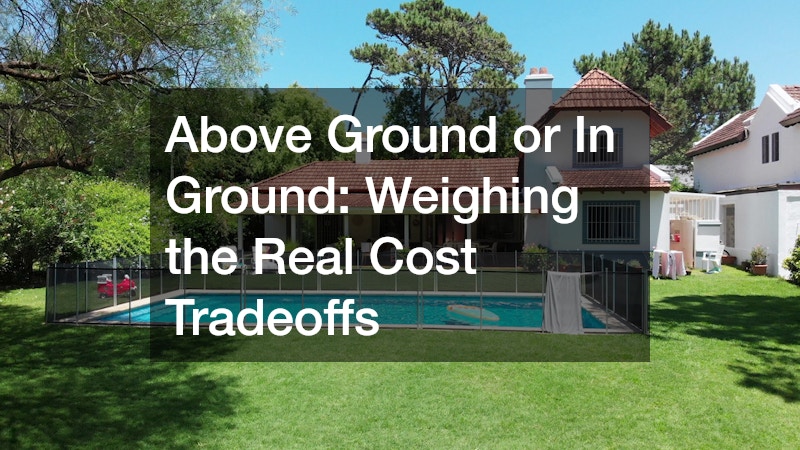
The most obvious difference between the two pool types is the upfront cost, and it is often the deciding factor for budget-conscious homeowners. An above ground pool typically costs between $1,500 and $6,000 installed, depending on size, materials, and whether you add a deck or fencing around it. This affordability comes from prefabricated materials and simpler assembly, since it does not involve extensive excavation.
Inground pools, by contrast, run anywhere from $35,000 to $75,000 or more, depending on the material chosen — vinyl liner, fiberglass, or poured concrete. That price tag reflects significant site work, including grading, digging, and hauling away tons of displaced earth. It also covers permits, engineering approval, and skilled labor such as plumbers, electricians, and pool masons who all need to coordinate on the build.
Beyond the base installation, in-ground projects often carry hidden costs that catch homeowners off guard. Rocky soil, high water tables, or difficult site access can add thousands of dollars before construction even begins. Above-ground models rarely face these complications, since they sit on a level pad rather than requiring a hole to be cut into your yard.
Before comparing sticker prices, it’s worth remembering that installation complexity varies by property, and this can swing your final bill by thousands of dollars. A flat, easily accessible yard will cost less to work with than a sloped lot requiring retaining walls or extra grading.
For in-ground pools, sloped terrain often means additional excavation, engineered retaining walls, and reinforced foundations, which can add anywhere from $3,000 to $15,000 or more depending on the severity of the grade. Rocky soil is another hidden cost driver, since it may require jackhammering or blasting instead of standard digging.
Above-ground pools are more forgiving but not entirely immune to site conditions. Installers typically need to level the ground before setup, and a significantly uneven yard may call for a small retaining wall, a raised deck platform, or imported fill dirt to create a stable base.
Access to your backyard also matters for both pool types. Narrow side yards, fences, or steep driveways can limit equipment access, forcing contractors to use smaller machinery or more manual labor, which drives up labor costs regardless of which pool style you choose.
- An above-ground pool typically costs $1,500 to $6,000 installed, including a basic surrounding deck, depending on size and materials.
- Inground pools often start around $35,000 to $50,000 and climb quickly once you add custom features like waterfalls, tanning ledges, or elaborate landscaping.
- Site conditions like soil type, drainage, and slope can add unexpected costs to either option, sometimes requiring grading, retaining walls, or extra excavation.
- Rocky or heavily sloped lots can push inground installation costs up by thousands before construction even begins.
- Permit fees and inspections are usually more extensive for permanent inground structures, often involving electrical, plumbing, and fencing code checks.
- Some municipalities also require engineering reports or setback surveys, adding both time and cost to inground projects.
Long-Term Durability and Structural Lifespan
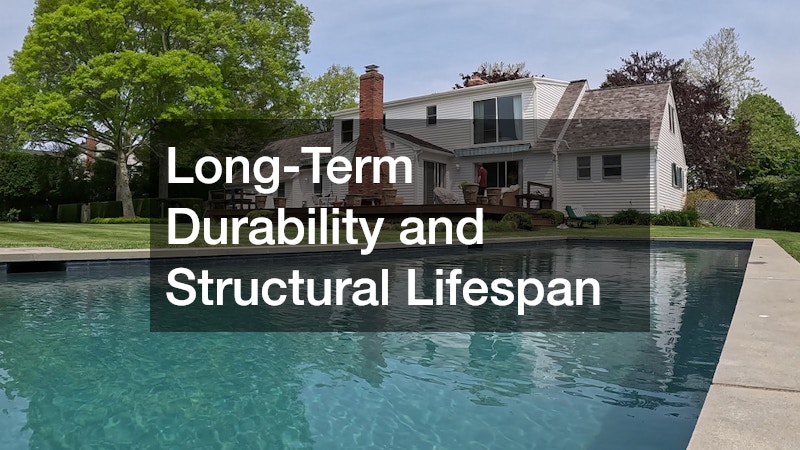
Cost tradeoffs are not just about what you pay on day one; they also depend on how long the structure lasts. Some materials, such as gunite, concrete, or fiberglass, tend to last several decades with proper care, making them a long-term investment rather than a temporary purchase. Other options, while more affordable initially, typically have a shorter lifespan, often needing liner replacement or full unit replacement within 10 to 15 years.
Climate plays a significant role in how well each structure holds up over time. Areas with freezing winters can be tougher on walls and liners, while structures that receive proper winterizing tend to weather seasonal changes more reliably.
Customization Options and Added Features
One area where the two pool types diverge sharply is design flexibility. A fully custom build offers far more room for personalization, including unique shapes, tanning ledges, and integrated pool water features like waterfalls, bubblers, or deck jets that create a resort-like atmosphere in the backyard. Homeowners working with custom pool builders can often design a pool that matches the exact contours and aesthetic of their outdoor space, whether that means wrapping the pool around an existing patio, echoing the lines of the house, or carving out space for a spa or sun shelf.
Above-ground pools, by contrast, typically come in standard round or oval shapes with limited size options, usually ranging from 12 to 33 feet in diameter. Customization is generally limited to deck attachments, ladder styles, and liner patterns rather than structural changes to the pool itself. Some manufacturers now offer upgraded resin or hybrid frames and multi-level decking that add visual interest, but the range of choices still falls well short of what an in-ground project allows.
Budget plays a direct role in how much customization is realistic. Adding pool water features, custom lighting, or natural stone coping to an in-ground pool can quickly add thousands of dollars to the final cost, so homeowners should weigh which upgrades genuinely improve daily enjoyment versus those that mainly boost resale appeal. For those wanting a similar upgraded look for less, some above-ground pool kits now include LED lighting, faux-wood decking, and fountain attachments that offer a taste of that resort-style feel without the full custom price tag.
Simpler, more budget-friendly setups have improved in style over the years, with better decking options, resin or composite finishes, and more attractive wall panels that mimic stone or wood grain. Some manufacturers now offer oval or figure-8 shapes instead of just round pools, along with a handful of color choices for liners and frames. Still, these upgrades tend to be limited to a preset menu of options rather than true design freedom.
In-ground pools, by contrast, open the door to features that simply aren’t feasible above ground: tanning ledges, built-in spas, tiled waterlines, custom lighting, and vanishing edges are all on the table. Homeowners can choose from gunite, vinyl, or fiberglass construction, each offering different levels of shape flexibility and finish options, from pebble aggregate surfaces to imported glass tile accents. Add-ons like waterfalls, fire features, swim-up bars, and integrated hot tubs can push a project well past $80,000, but they also transform the pool into a genuine outdoor living space rather than just a place to swim.
For families who want a truly one-of-a-kind backyard centerpiece, the added investment in customization is often where a fully custom build pulls ahead in perceived value. It’s worth weighing not just the upfront cost of these features but also long-term maintenance, since elements like water features and specialty tile can add to upkeep and repair bills down the road.
- Waterfalls and fountains add ambiance but require additional plumbing, pumps, and electrical work, often adding $2,000–$10,000 depending on complexity.
- Tanning ledges and built-in seating are popular custom upgrades, typically adding $1,500–$5,000 for extra shallow-water shelving and bench space.
- Lighting packages, from basic LED fixtures to color-changing smart systems, can transform a pool’s evening appearance for $500–$3,000.
- Custom shapes allow the pool to fit irregular yard layouts, though freeform designs cost more in labor and formwork than standard rectangles or ovals.
- In-ground pools generally offer more flexibility for these upgrades since they’re built into custom excavation and structure.
- Above-ground pools can still add features like decking, heaters, or basic lighting, but options for waterfalls or custom shapes are limited.
- Each added feature increases long-term maintenance and energy costs, so factor upkeep into your overall budget, not just installation price.
Ongoing Upkeep and Repair Expenses
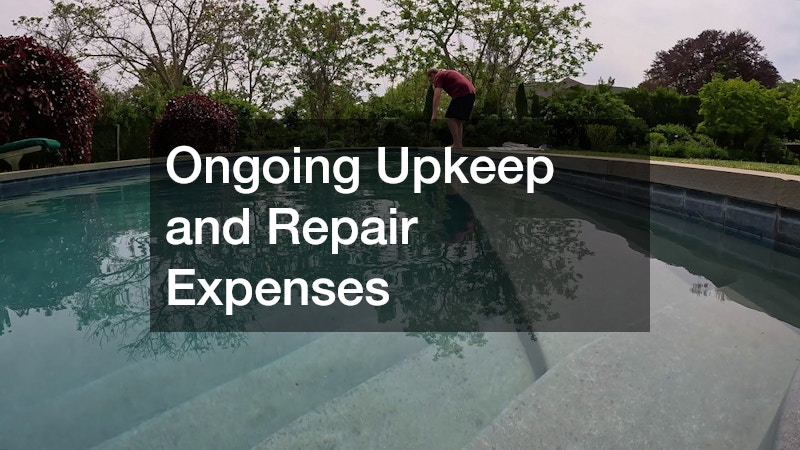
Every pool, regardless of type, requires ongoing care, but the scope and cost of that care differ significantly depending on the setup. Routine swimming pool maintenance includes balancing chemicals, cleaning filters, and monitoring water levels, and these tasks apply across the board. However, some setups involve more complex equipment, such as larger pumps and heaters, which can mean higher costs when something breaks down.
When issues arise, pool repair costs can vary widely based on the type of damage and the equipment involved. A cracked liner is usually a quick, affordable fix, while a structural crack in the pool’s shell can require extensive labor and materials.
- Weekly chemical balancing is necessary to keep water safe and clear.
- Filter and pump maintenance schedules should be followed closely.
- Liner replacements are a common and manageable repair need.
- Structural repairs are rarer but tend to be far costlier to fix.
Water Filling and Delivery Logistics
Filling a new pool is a task many homeowners overlook when budgeting, yet it can add a surprising line item to the overall cost. Depending on your municipal water pressure and supply, filling a large pool through a garden hose can take days and strain your household water system. Many homeowners instead arrange for professional pool water delivery, where trucks bring thousands of gallons directly to the site for a much faster fill.
This service is particularly useful for larger pools or during drought restrictions when hose-filling may not be permitted. Smaller pools are more commonly filled with a standard hose, though pool water delivery remains an option for convenience, especially when speed matters more than saving a few dollars on the fill.
Property Value and Resale Considerations
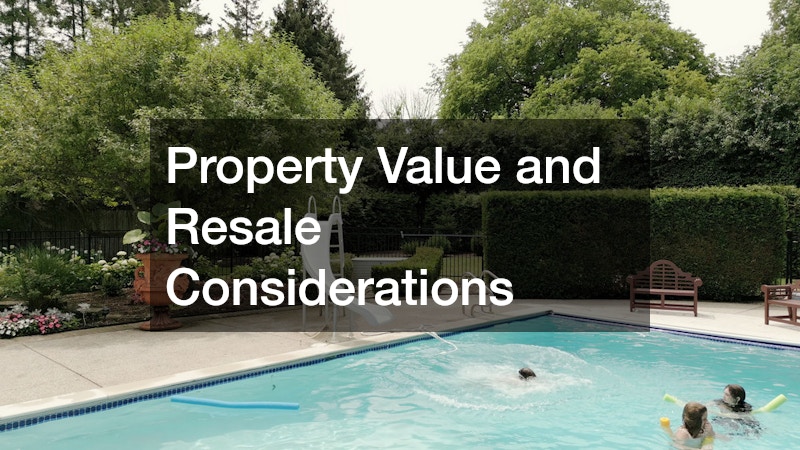
When it comes to long-term financial return, permanent backyard installations generally offer a stronger boost to home value, particularly in warmer climates where a swimming pool is an expected feature. Real estate agents often note that a well-maintained, professionally built pool can be a selling point, while a more temporary or portable setup is frequently viewed as a removable amenity rather than a lasting upgrade. That said, not every buyer wants a pool, so the return on investment can vary by market and region.
Homeowners should also consider how the pool integrates with landscaping and patio space, since a cohesive outdoor design tends to add more perceived value than the water feature alone. In contrast, quick-install or temporary options rarely add resale value and are sometimes seen as a drawback by potential buyers who worry about yard space or aesthetics.
Choosing Between Contractors and Installation Teams
The professionals you hire can significantly affect both the cost and quality of your pool project. Working with experienced pool installers ensures the structure is built to code, properly leveled, and equipped with reliable plumbing and filtration systems. Cutting corners on labor to save money upfront often leads to costly repairs down the road.
It also pays to compare multiple local pool contractors before committing, since pricing, warranties, and project timelines can vary widely between companies in the same area. Getting at least three quotes helps you understand the going rate in your region and spot any red flags in proposals that seem unusually cheap.
- Ask for references and photos of completed projects.
- Confirm licensing and insurance before signing a contract.
- Compare warranty terms on both labor and materials.
- Request a detailed timeline to avoid project delays.
Evaluating a Provider’s Full Range of Services
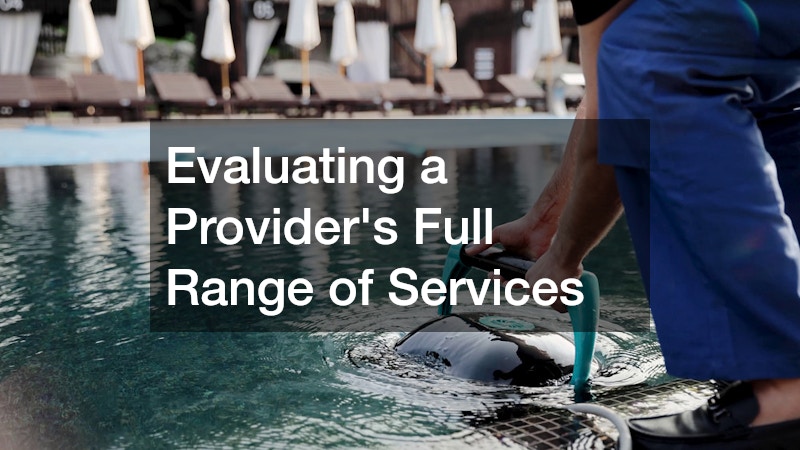
Beyond installation, it helps to think about the full lifecycle of pool ownership when selecting who to work with. A well-rounded pool company often provides maintenance plans, seasonal opening and closing services, and equipment upgrades, which can simplify ownership considerably. Choosing a provider who handles everything from construction to ongoing care reduces the hassle of juggling multiple vendors.
This is especially valuable for in-ground pool owners, whose equipment tends to be more complex and benefits from consistent, knowledgeable service. Homeowners should ask potential providers about the scope of their offerings before signing any contract, ensuring they will not be left searching for help once the pool is installed.
- Ask if seasonal opening and closing services are included.
- Confirm whether emergency repair support is available.
- Look for companies offering water testing and chemical delivery.
- Check if equipment upgrades are handled in-house or outsourced.
Both above-ground and in-ground pools offer real benefits, and the right choice ultimately depends on your budget, how long you plan to stay in your home, and how much customization matters to you. Weighing installation costs against long-term maintenance, repair needs, and resale value will give you a clearer financial picture than sticker price alone. Take time to get multiple quotes, ask detailed questions about service offerings, and choose a path that fits both your lifestyle and your long-term plans for the property.