A home that welcomes both children and pets takes more than good intentions to run smoothly. Between wandering toddlers, curious dogs, and busy family schedules, safety gaps can appear in places you least expect them. The good news is that most hazards are predictable and preventable once you know what to look for. This guide walks through the practical steps homeowners can take to protect every member of the family, two-legged and four-legged alike.
Designing Pet Zones That Keep Everyone Safe
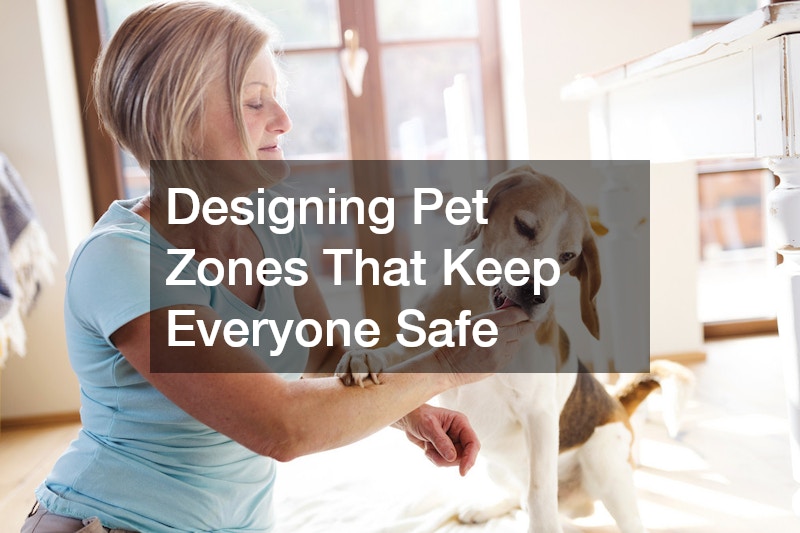
Every home with pets benefits from clearly defined zones where animals can eat, sleep, and relax without interference from small children or foot traffic. A designated feeding station away from high-traffic hallways reduces the chance of spills, tripping, or resource guarding around food bowls. Baby gates and low barriers can section off a dog’s crate area so toddlers cannot crawl in uninvited while the animal is resting.
Think about vertical space too, since cats often need elevated perches that are inaccessible to crawling babies but still safe and stable. Rotating toys and chew items between pet and child play areas prevents small parts from ending up where they do not belong.
- Use gates with pet doors built in so animals can pass through while blocking toddlers
- Keep food and water bowls on a mat away from walkways
- Store leashes, collars, and grooming tools in a closed cabinet
- Create a quiet retreat space for pets during loud family gatherings
Childproofing Strategies That Also Protect Curious Pets
Many standard childproofing measures double as pet safety upgrades, which makes tackling both at once efficient and cost-effective. Cabinet locks that keep toddlers out of cleaning supplies also stop dogs from nosing into chemical bottles under the sink. Outlet covers, cord organizers, and secured trash bins protect both crawling babies and pets that like to chew on anything within reach.
Medication storage deserves special attention since many common pills are toxic to dogs and cats in small doses, and children can also access unsecured bottles. A locked box or high shelf out of paw and hand reach is a simple habit that prevents emergency situations. Regularly walking through your home at both a toddler’s and a pet’s eye level helps you spot hazards you might otherwise miss.
- Secure blind cords and curtain ties out of reach
- Store all medications, vitamins, and supplements in a locked container
- Keep small toys, batteries, and magnets off low tables
- Check for gaps under furniture where small objects can collect
Yard and Outdoor Safety for Kids and Animals
Backyards are where kids and pets spend a lot of unsupervised time together, so fencing, plant selection, and pool barriers all matter. A quick walk-through of your yard with safety in mind can catch hazards before they become emergencies.
Certain common garden plants, including lilies, azaleas, sago palms, and oleander, are toxic to pets, and some, like foxglove or castor bean, pose risks to curious kids as well. It is worth reviewing your landscaping against a pet-safe plant list and removing or fencing off anything questionable, especially in areas where toddlers and pets tend to explore together, like near patios or garden beds.
Secure fencing prevents pets from escaping while also keeping children contained within a safe play boundary. Aim for fencing at least four to six feet high with no gaps large enough for a small dog or curious toddler to squeeze through, and check gate latches regularly since kids and pets both tend to test them.
Pools and other standing water present a double hazard, since both young children and pets can drown quickly and silently. A four-sided pool fence with a self-latching gate, along with pet-specific ramps for climbing out of the water, adds an important layer of protection beyond simple supervision.
Finally, consider surfaces and shade. Mulch made from cocoa shells is toxic to dogs, hot pavement can burn paws and bare feet alike, and a shaded, well-ventilated area gives both kids and pets a safe place to cool down during outdoor play.
Pool areas need their own layer of protection since both toddlers and dogs can fall in without warning and struggle to get out safely. A self-latching gate at least 4 feet tall, with a latch positioned out of a child’s reach, is one of the most effective barriers you can install. Pair this with supervision rules for both kids and pets whenever the pool is uncovered, and consider a pool alarm that alerts you to unexpected splashes.
It’s also worth teaching dogs where the pool steps are located, since even strong swimmers can panic if they fall in unexpectedly and can’t find an exit. Some families practice a “dog drill,” gently guiding the pet to the steps a few times so the response becomes automatic. Fencing gaps should be no wider than 4 inches to prevent small children or pets from squeezing through.
Beyond the pool, shaded rest areas and accessible water bowls help pets avoid overheating during outdoor play sessions, especially on days above 85°F. Placing a couple of water stations around the yard, rather than just one, encourages pets to drink more often and rest before they’re overtired. Watching for signs of heat stress, like excessive panting or lethargy, in both kids and pets is a simple habit that catches problems before they escalate.
- Check fence gaps and gate latches seasonally, since freeze-thaw cycles and digging can create escape routes over time
- Add self-closing, self-latching hardware to gates so a distracted child can’t leave the yard open for a pet to slip through
- Remove or fence off toxic plants and mulch types, including azaleas, sago palm, and cocoa mulch, which smells appealing to dogs but is dangerous if eaten
- Install pool alarms or covers as an extra layer of protection, and consider a secondary fence around the pool itself for households with young kids or dogs
- Provide shade and fresh water during hot weather play, checking that water bowls stay filled and shaded spots stay cool as the sun shifts
- Test pavement temperature with the back of your hand before letting bare feet or paws walk on it during peak summer hours
- Store fertilizers, pesticides, and pool chemicals in a locked shed or high shelf, out of reach of both curious kids and nosy pets
Building a Relationship With a Trusted Local Veterinarian
Just as parents rely on pediatric care to track a child’s development, pets need consistent medical attention from a professional who knows their history. Establishing care early with a local veterinarian means your pet has a baseline health record before anything urgent comes up. This relationship also gives you a resource for behavior questions, especially when introducing a new pet into a home with young children.
If you have recently moved or adopted a pet, searching for veterinarians near me is a reasonable starting point, but it helps to narrow the list by visiting in person first. Ask about appointment availability, emergency protocols, and whether the practice handles both routine and urgent visits. A good working relationship with your vet means faster answers when your child and pet are both underfoot and something seems off.
- Schedule annual wellness exams even when your pet seems healthy
- Ask about vaccination schedules appropriate for your household
- Confirm how the practice handles after-hours emergencies
- Bring a list of behavior or health questions to each visit
Understanding Pet Dental Health and Its Impact on Home Safety
Dental pain in pets is often overlooked, yet it can lead to sudden aggression or biting incidents that put children at risk during normal play. Routine pet dental care catches problems like cracked teeth, gum disease, and abscesses before they escalate into painful conditions that change an animal’s temperament. A pet in dental discomfort may snap unexpectedly, even if it has never shown aggression before.
Watching for bad breath, reluctance to chew, or pawing at the mouth can help you catch dental issues early. Regular checkups that include a dental assessment are worth requesting during standard veterinary visits, not just when a problem is obvious. Keeping up with this care protects both your pet’s comfort and your family’s safety during everyday interactions.
- Watch for drooling, bad breath, or dropped food while eating
- Ask your vet about safe dental chews and brushing routines
- Schedule professional cleanings as recommended for your pet’s breed and age
- Note any behavior changes that coincide with mealtime discomfort
Socialization Through Local Dog Daycare and Structured Play
A well-socialized dog is generally calmer and more predictable around children, which makes structured social opportunities valuable for family safety. Enrolling a dog in local dog daycare can help with energy management, especially for high-energy breeds that might otherwise act out at home. Supervised group play also teaches dogs appropriate boundaries with other animals, which often translates into gentler behavior with people too.
Before choosing a daycare, ask about staff-to-dog ratios, how they separate dogs by size and temperament, and what their intake evaluation process looks like. A facility that screens dogs carefully before mixing them into group play is generally a safer choice for a family pet. Regular daycare visits can also reduce separation anxiety, which sometimes shows up as destructive or reactive behavior at home.
- Ask about staff certifications and emergency response training
- Confirm how dogs are grouped by size, age, and energy level
- Request a trial day to observe how your dog handles the environment
- Check for updated vaccination requirements before enrollment
Coordinating Pediatric Care Alongside Pet Wellness Routines
Families juggling a new baby and a household pet often benefit from thinking about both types of care on a similar schedule. Consulting local newborn pediatricians about safe pet introductions can ease concerns about allergies, hygiene, and supervised interactions between infants and animals. Pediatricians can also offer guidance on recognizing early signs of respiratory sensitivity that sometimes develops around pet dander.
Setting up simple household routines, like handwashing after pet contact and keeping pets off nursery furniture, supports both pediatric and veterinary advice. Many families find it helpful to introduce pets to a new baby gradually, using scent-based introductions before direct contact. This measured approach tends to reduce stress for the animal and lowers the risk of startled reactions.
- Ask your pediatrician about allergy testing timelines for infants
- Keep pet bedding and toys separate from baby gear
- Supervise all early interactions between pets and newborns
- Introduce new smells and sounds gradually before face-to-face contact
Protecting Children’s Teeth While Managing Pet Behavior at Home
Family safety planning often overlaps in unexpected ways, and dental health is one area where both kids and pets need attention on parallel tracks. Just as pet dental care prevents behavioral issues tied to pain, childrens dentistry visits help catch cavities or alignment issues before they cause discomfort that affects a child’s mood and behavior. A cranky, tooth-pain-driven child and an anxious pet in the same room can be a recipe for accidental scratches or bites.
Building a consistent routine around childrens dentistry means your kids get regular checkups without last-minute scrambling. Many practices now see patients starting around their first birthday, which lines up well with early pediatric guidance. Keeping dental visits on a predictable schedule, alongside your pet’s veterinary calendar and routine pet dental care, helps the whole household stay ahead of preventable pain-related issues.
- Schedule childrens dentistry checkups twice a year once teeth begin coming in
- Ask about fluoride treatments and sealants appropriate for your child’s age
- Watch for signs of tooth pain, like reluctance to chew or touching the jaw
- Keep a shared family calendar for both pediatric and veterinary appointments
Preparing for Orthodontic Needs and Long-Term Oral Health Planning
As children grow, dental needs shift from basic checkups toward more specialized care, and planning ahead prevents surprises. An early evaluation for orthodontic treatment, often recommended around age seven, can identify bite or spacing issues while a child’s jaw is still developing. Catching these issues early sometimes means simpler, shorter treatment later on.
Family routines that involve rough play with pets can occasionally lead to bumped teeth or minor injuries, so it helps to know your options in advance. If your child wears braces or retainers, ask your dentist about protective measures during active play with a boisterous dog. Planning orthodontic timelines around your family’s overall schedule, including pet training phases, keeps expectations realistic for everyone involved.
- Ask about early orthodontic screening around age seven
- Discuss mouthguards if your child plays rough with a large or excitable pet
- Keep retainers and appliances stored safely out of pet reach
- Review treatment timelines with your dentist annually
Knowing When to Seek Emergency Care for Kids or Pets
Even with careful planning, accidents happen, and knowing where to go matters more than trying to figure it out in the moment. Keep the contact information for an emergency dentist saved in your phone, since dental injuries like knocked-out or cracked teeth need fast attention to improve outcomes. Similarly, know the location and hours of an emergency veterinary clinic in case your pet is injured or shows sudden signs of illness.
A basic first aid kit for both kids and pets, kept in an accessible spot, can buy valuable time before you reach professional care. Understanding early childhood centers‘ policies on injury reporting and communication can also help if an incident happens while your child is in care outside the home. Preparation does not prevent every emergency, but it significantly reduces panic and delay when one occurs.
- Save emergency dentist and veterinary clinic numbers in your phone
- Keep a first aid kit stocked for both children and pets
- Know the signs of a true emergency versus a wait-and-see situation
- Ask your childcare provider about their injury response procedures
Creating a safe home for both kids and pets is an ongoing process, not a one-time project, and small consistent habits make the biggest difference over time. Start by walking through your home and yard with fresh eyes, then build out your network of trusted professionals, from veterinarians to family dentists, so you are never scrambling in a crisis. The effort you put in now pays off in fewer accidents, calmer pets, and a household where everyone, regardless of species, can feel secure.