
Hosting a milestone celebration, whether it is a sprawling outdoor wedding reception, a multi-generational family reunion, or a high-profile corporate charity gala, directly on your private estate is an incredibly rewarding endeavor. Transforming a familiar residential property into a fully functional, high-capacity entertainment venue allows for complete creative control and lends an unmatched layer of intimate, personal charm to the festivities. However, welcoming a massive influx of guests, catering staff, and heavy rental equipment onto a property designed for a single household introduces significant logistical challenges.
Many well-meaning hosts make the mistake of focusing entirely on temporary event decorations, lighting fixtures, and floral arrangements while ignoring the underlying structural and mechanical realities of their property. A home cannot smoothly pivot to support dozens or hundreds of people without careful, systematic preparation of its utility infrastructures, structural surfaces, environmental systems, and landscaping footprints. Waiting until the week of the gathering to address deep maintenance needs can lead to blown electrical breakers, plumbing backups, or structural safety hazards that cast a shadow over an otherwise beautiful occasion. By adopting a proactive, venue-style management approach months in advance, you can ensure that your estate functions flawlessly under heavy stress, protecting both your investment and the well-being of your guests. The following operational blueprint outlines the exact steps needed to prepare your home for a large-scale event.
Ensuring Structural Safety and Specialized Systems Readiness
The absolute foundation of successful large-scale entertaining is the invisible infrastructure that keeps your occupants safe. When a home transitions from standard residential usage to mass occupancy, its interior layouts encounter unique physical stresses. Before you begin arranging tables or staging entertainment zones, you must verify that your property’s life safety systems are fully operational and capable of handling an emergency. Walk through all primary corridors and exit pathways, ensuring they are completely free of clutter, and verify that all emergency backup lighting units and physical exit door latches operate seamlessly.
For events utilizing extensive indoor spaces or temporary indoor structures, you must verify that your automated smoke and heat monitoring networks are completely optimized for heightened crowds. This is the ideal window to contract certified fire alarm services to conduct a comprehensive system diagnostic, change out aging battery reserves, and test integrated strobe or siren alerts. A professional technician can ensure that your heat sensors are calibrated correctly, preventing false alarms triggered by commercial catering steam or high-volume indoor cooking equipment, while guaranteeing absolute functionality when it matters most.
-
Audit elevated structural load capacities: Carefully inspect the structural columns, joists, and railings of all elevated outdoor decks, balconies, and viewing platforms. A crowded cocktail hour can quickly exceed standard residential weight limits, making it vital to reinforce older structures or place clear, strategic capacity limits on specific outdoor levels.
-
Prep the HVAC zoning matrices: High-occupancy gatherings generate immense body heat. Have your climate control systems serviced, swap in fresh high-efficiency air filters, and program your thermostats to pre-cool internal spaces several hours before your guests arrive to maintain comfortable ambient temperatures.
Hardening External Pathways and Revitalizing Hardscapes
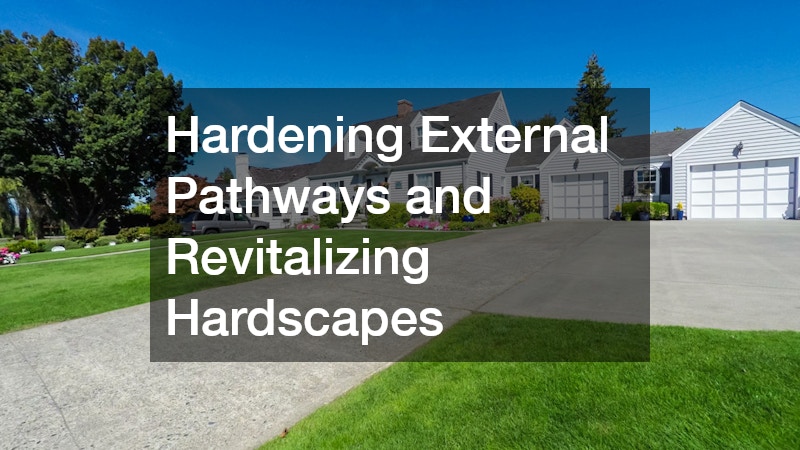
A guest’s firsthand impression of your venue begins the moment they step out of their vehicle. Uneven transitions, cracked masonry, and pitted pavement can cause significant tripping hazards, especially for guests wearing formal evening attire, flowing dresses, or high heels. To ensure a smooth, elegant flow of foot traffic from your parking zones to your main entertainment stages, you must systematically audit all exterior walkways, driveways, patios, and pool decks.
If your primary entertaining surfaces or main driveway approaches display significant pitting, settling, or deep cracks from years of weather exposure, look into professional restoration options well before your rental equipment arrives. Partnering with a reputable local concrete resurfacing service allows you to quickly repair weathered patios, uneven walkways, and pool surrounds with highly durable, non-slip polymer overlays. This proactive structural upgrade not only instantly elevates the aesthetic profile of your hardscape elements for event photography, but it also creates a completely uniform, level walking surface that guarantees safe, frictionless pedestrian transit throughout the evening.
-
Map out clear vehicle routing loops: Establish distinct, well-marked pathways for valet drop-offs, general guest parking, and heavy vendor loading zones, using temporary reflective signage or custom wooden markers to keep traffic moving efficiently.
-
Coordinate temporary low-voltage pathway lighting: Position spike-mounted LED pathway lights, subtle uplighting, and string lights along all walkways, stepping stones, and garden borders to guide guests safely after the sun goes down.
Refreshing the Home Envelope and Eradicating Pests
The physical exterior walls of your residence serve as the prominent backdrop for your event’s central staging, casual outdoor socializing, and formal photographs. Over the course of changing seasons, your home’s siding, stucco, or brickwork can easily accumulate a dull layer of mildew, pollen, dust, and spider webs that undercuts your overall presentation. Giving the structure a deep, comprehensive cleaning is an absolute must to make the estate pop against your landscape design.
To safely achieve a pristine canvas without damaging delicate building materials, schedule a session with an insured local house washing service. Professional technicians utilize low-pressure soft-wash systems mixed with specialized, eco-friendly detergents to gently dissolve stubborn biological stains and dirt from siding, gutters, window casings, and trim lines. This safe, comprehensive washing removes years of weathering in a single afternoon, leaving your home looking freshly painted and completely revitalized ahead of your vendor setups.
-
Audit property lines for structural wood-boring pests: Take the time to carefully inspect the underside of outdoor decks, wooden gazebos, and foundational framing lines for signs of insect damage or hidden wasp and hornet nests that could threaten your crowd.
-
Enforce advanced eco-conscious pest management: Collaborate with certified specialists to execute an odorless, highly targeted, and safe termite control application around your structural foundations well in advance of your party date, ensuring total protection without introducing harsh chemical fumes around your dining spaces.
Sculpting the Estate Landscape and Maximizing Lawn Resilience

An open-air residential event relies heavily on the beauty and openness of the surrounding turf. To transform a standard backyard into a sweeping, sophisticated outdoor ballroom, your living landscape requires careful architectural molding. Months before the event, work closely with a professional landscape contractor to raise low-hanging tree canopies, trim back overgrown perimeter shrubbery, and clear panoramic focal points where your main event tents, bars, and dining layouts will be positioned.
An essential component of this outdoor preparation involves building up the physical resilience of your lawn. A single weekend of hosting heavy commercial catering trucks, high-volume foot traffic, and weighted tables can easily compact your soil, shear off delicate grass blades, and leave your yard a muddy, ruined mess. To guard against this common disaster, homeowners must implement an aggressive, targeted turf management protocol at least two months before the event date.
-
Onboard comprehensive turf nutrition programs: Partner with an experienced lawn care service to deploy specialized, slow-release fertilizer blends and targeted aeration schedules that maximize root density and deepen the emerald color of your grass.
-
Adjust your mowing heights gradually: Raise your mower blades slightly during the weeks leading up to the event to build a thicker, more cushioned turf canopy that is naturally resilient against heavy compaction and foot traffic.
Integrating Specialized High-End Recreational and Outdoor Assets
Modern residential estates are increasingly incorporating luxury amenities designed for active personal recreation and refined outdoor living. When hosting a major milestone gathering, these high-end installations should be actively integrated into your event’s layout, serving as creative interactive features, cocktail lounges, or unique photography backdrops that set your venue apart.
If your property features a professional synthetic turf golf installation, you possess a phenomenal built-in attraction for early arriving guests or cocktail hour entertainment. Preparing a premium backyard putting green for a high-occupancy event requires executing a detailed grooming routine. Use a specialized turf brush or power broom to clear away fallen leaves and debris, vacuum the fibers to stand the synthetic blades completely upright, and verify that the perimeter borders are tightly secured. This meticulous grooming ensures the green presents beautifully in photographs, stands up flawlessly to high-volume foot traffic, and functions as an engaging, high-end activity center during your gathering.
-
Enforce strict poolside safety parameters: If your layout flows around an open pool or custom water feature, install elegant temporary fencing layers or secure dedicated, certified lifeguards to monitor the water zones throughout the evening.
-
Convert outbuildings into functional lounges: Clean out and air condition secondary structures—such as pool houses, detached garages, or workshops—to serve as comfortable green rooms for performers, bridal changing suites, or vendor storage hubs.
Managing Vendor Equipment Footprints and Heavy Staging Waste
The behind-the-scenes mechanics of a large-scale event require an immense amount of physical equipment. Industrial party tents, heavy mobile catering kitchens, refrigerated trailers, and palletized staging gear must be moved onto your property, set up, and completely removed within a highly compressed timeline. Managing this influx of heavy freight requires strict oversight to prevent irreversible damage to your property’s subterranean networks. The process of moving massive sub-flooring sections, generator blocks, and weighted tent ballast barrels across your property requires hiring highly professional, commercial-grade Hauling networks. Experienced crews understand how to utilize weight-distributing mats and pneumatic-tired machinery to transport heavy gear over soft ground safely, preventing deep wheel ruts and structural shifts in your delicate topsoil.
To ensure total site protection, you must force all heavy rental delivery trucks to stay exclusively on hard paved driveways or pre-reinforced staging pads, completely banning unmonitored driving across soft, damp lawn surfaces. It is also critical to prevent subterranean utility line collapses by clearly marking the locations of your buried septic tanks, lateral absorption fields, and main water wells with high-visibility flags to ensure no heavy machinery or delivery trucks park over sensitive underground components. Finally, you must isolate potential environmental waste points by setting up completely self-contained wash stations and dedicated trash containment zones for your catering vendors. This eliminates the risk of accidental chemical runoff, grease spills, or localized groundwater contamination within your property boundaries.
-
Establish strict ground-protection frameworks: Force all heavy rental delivery trucks to stay exclusively on hard paved driveways or pre-reinforced staging pads, completely banning unmonitored driving across soft, damp lawn surfaces.
-
Prevent subterranean utility line collapses: Clearly mark out the locations of your buried septic tanks, lateral absorption fields, and main water wells with high-visibility flags to ensure no heavy machinery or delivery trucks park over sensitive underground components.
Staging Safe High-Volume Catering Utilities and Fuel Core Blocks
The heart of any successful high-occupancy gathering is the culinary staging area. Commercial caterers demand massive amounts of constant thermal power and reliable fuel to operate high-output ovens, flat-top grills, and heavy warming cabinets simultaneously throughout the evening. Safely staging these high-demand utility stations requires strict compliance with fire safety protocols and careful space management.
When setting up your outdoor commercial kitchen compound, all pressurized gas reserves must be isolated completely from main guest pathways and structural fabrics. Whether you are running high-output patio space heaters or commercial-grade outdoor grills, every industrial propane cylinder on the property must be secured flawlessly. Ensure all gas tanks are stored strictly in an upright position, securely chained to stable support racks to prevent accidental tipping, and located in well-ventilated outdoor zones away from high-heat cooking zones and electrical distribution nodes.
-
Balance high-demand electrical grids carefully: Avoid plugging commercial catering gear directly into your standard home exterior outlets, which can easily trip breakers; instead, deploy silent, tow-behind commercial generators to power the vendors independently.
-
Run continuous line checks: Execute a comprehensive leak-check fluid sweep across all high-pressure gas regulators, supply hoses, and splitters before lighting any commercial cooking appliances.
Transforming your private residence into a sophisticated, high-capacity entertainment venue is a magnificent way to celebrate life’s greatest milestones in a setting full of deep personal meaning. As this comprehensive guide has detailed, executing a flawless large-scale event requires a strategic focus that moves far beyond basic event décor. It demands a holistic commitment to property safety audits, hardscape preservation, environmental safeguards, and meticulous utility staging. By taking the time to reinforce your home’s underlying systems months in advance, you effectively shield your estate from unexpected mechanical failures and logistical stressors, allowing you to focus entirely on your guests.
The lasting value of this thorough preparation extends far beyond a single evening of celebration. The extensive safety audits, structural path improvements, exterior deep washings, and professional landscaping enhancements you execute will leave your estate permanently elevated and beautifully enhanced for years to come. Do not let the complexity of the logistics delay your planning. Take the initiative to pull out your site map clipboards, log your utility capacities, and start interviewing your technical advisory teams today. Replacing guesswork with a structured, venue-grade preparation framework ensures that your property performs with absolute precision, providing a secure, breathtaking, and unforgettable experience for your family and guests.