
Raising a family that includes both human children and furry companions is one of life’s most rewarding challenges. The bond between a child and a pet can teach empathy, responsibility, and unconditional love. However, the logistics of managing a multi-species home can quickly become overwhelming. From hygiene and safety to emotional well-being and home maintenance, achieving a true strategy requires intentionality and a proactive approach.
This guide provides a deep dive into how you can manage your household effectively, ensuring that your children grow up in a safe environment and your pets remain happy, healthy members of the family.
Establishing Safe Boundaries and Supervised Spaces

The primary pillar of a successful multi-species home is safety. Children, especially toddlers, lack the impulse control to understand when an animal is feeling overwhelmed. Conversely, even the most patient pet has limits. Establishing “safe zones” ensures that interactions remain positive.
Creating a Retreat for Your Pets
Every animal needs a place where they can escape the high-pitched squeals and fast movements of children. For dogs, this might be a crate or a specific corner of the room gated off. For cats, vertical space is essential. Installing high shelves or tall scratching posts allows cats to observe the room from a safe distance.
When your family schedule becomes particularly hectic—perhaps during a home renovation or a holiday party—it is often best to remove the pet from the stress entirely. Utilizing professional dog kennels during these high-traffic times can prevent anxiety-induced biting or scratching incidents. It gives the pet a vacation of their own while you focus on the human chaos at home.
Educating the “Human” Side of the Equation
Teaching children how to approach animals is a lifelong skill. Implement a “consent” rule: the child must wait for the pet to approach them rather than chasing the pet.
The Closed Fist: Teach children to offer a closed, stationary fist for the pet to sniff at their own pace. This is far less threatening than an open hand reaching over the animal’s head, which can trigger a defensive “duck and cover” or snapping reflex.
The Two-Hand Rule: Ensure children never pick up a pet with one hand or by the scruff; they must always support the animal’s weight by placing one hand under the chest and the other under the hindquarters to prevent spinal injury or fear.
Reading Body Language: Teach kids that a wagging tail doesn’t always mean “happy”—sometimes a stiff, fast-flicking tail or pinned-back ears mean “agitated” or “leave me alone.” Learning to spot these subtle warnings prevents avoidable bites.
The “Safe Sleep” Rule: Educate children to never disturb a pet while it is eating or sleeping. Startling a sleeping animal can trigger an instinctive predatory or defensive snap, so children should be taught to call the pet’s name from a distance if they need their attention.
Mealtime Manners: Designate a specific, quiet area for pet feeding that is completely off-limits to children. Resource guarding is a common behavior where pets feel the need to protect their food; keeping children away during mealtime eliminates the primary trigger for this type of aggression.
The “Indoor Voice” Training:
Encourage children to use calm, quiet voices when playing near pets. Loud, sudden noises can startle animals and put them into a “fight or flight” mode, which increases the tension in the room and the likelihood of a reactive incident.
A healthy pet is a predictable pet. If an animal is acting out or seems unusually irritable around children, it may be due to underlying discomfort. Taking your pet to an animal clinic for a full physical exam can rule out ear infections, joint pain, or dental issues that might make them snappy or defensive.
Maintaining a Clean and Sanitary Shared Environment

Hygiene is the most significant logistical hurdle in a home with kids and pets. Between muddy paws and diaper changes, the potential for cross-contamination is high. A structured cleaning protocol is not just about aesthetics; it is about the health of your family’s immune systems.
Managing Biological Waste
The backyard is the primary shared play space, which makes outdoor sanitation a top priority. When kids are running barefoot, the presence of animal waste is a significant health hazard. For busy parents, a professional dog waste removal service can be an absolute lifesaver. These services ensure the yard is “landmine-free,” allowing you to let your kids play outside without a second thought.
Inside the home, the stakes are just as high. If you have recently completed a DIY project or a major cleanup, ensure you have a thorough debris removal plan. Small screws, wood shavings, or even bits of old insulation can be toxic or a choking hazard for both toddlers and puppies who explore the world with their mouths.
Daily and Weekly Sanitization Habits
The Toy Swap: Keep pet toys and child toys in separate, clearly marked bins and teach children that “pet toys are for paws.” Once a week, soak plastic toys in a solution of vinegar and water to kill bacteria without using harsh chemicals that could be ingested.
Air Filtration: Use HEPA filters to reduce pet dander and outdoor allergens that pets track in. This is particularly important for children with developing respiratory systems or mild allergies, as it keeps the “invisible” mess from building up in the air.
The Entryway System: Keep a bin of pet-safe wipes and a microfiber towel by the door. Wiping paws before they hit the carpet reduces the bacteria load and outdoor pollutants in your living space by up to 80%, keeping your floors safe for crawling babies.
Grooming as Hygiene: Maintain a regular brushing and bathing schedule for your pets to minimize the amount of loose fur and dander circulating in the home. Keeping nails trimmed also prevents accidental scratches during play and reduces the amount of dirt trapped under the claws.
Litter Box Logistics: If you are focusing on cat care, ensure litter boxes are kept in areas completely inaccessible to crawling children. Use top-entry boxes or furniture-enclosed stations to prevent “curiosity” messes, and scoop daily to minimize the spread of toxoplasmosis or other bacteria.
Steam Cleaning Schedule: Invest in a high-quality steam mop for hard floors and a portable spot cleaner for carpets. Steam cleaning uses heat rather than chemicals to kill 99% of bacteria and dust mites, making it the safest way to deep-clean surfaces where both pets and children spend their time.
High-Traffic Flooring and Furniture Strategies
Your home should be a place where you can relax, not a museum where you are constantly worried about a spilled juice box or a muddy paw print. The materials you choose for your home will dictate how much time you spend cleaning versus playing.
Selecting the Right Flooring
When it is time to renovate, visiting local carpet stores is a great way to research “active family” options. Look for solution-dyed nylons or polyester blends that offer built-in stain resistance. Avoid loop-style carpets (like Berber), as pet claws can snag them and pull the fibers out.
If you have hard surfaces like laminate or tile, you will likely want some softness for your children to crawl on. High-quality area rugs are the perfect solution because they can be removed and professionally cleaned more easily than wall-to-wall carpeting. They also provide traction for older pets who might struggle with slippery floors.
Furniture Longevity
Pets and children are notoriously hard on upholstery. If your favorite armchair has seen better days due to scratches or spills, consider furniture reupholstery using “performance fabrics.” These textiles are designed to be moisture-wicking, antimicrobial, and incredibly difficult to tear.
Avoid: Fabrics like velvet, silk, and loose-weave linens, which act as magnets for pet hair and are easily snagged by claws or ruined by a single juice spill.
Choose: Distressed leather, which hides scratches well and develops a patina over time, or synthetic microfibers that allow for easy spot-cleaning with just a damp cloth and mild soap.
Slipcover Solutions: For sofas that see the most action, use heavy-duty, machine-washable slipcovers. This allows you to strip the furniture down and sanitize the entire outer layer in the laundry whenever a stomach flu hits the kids or a pet has an accident.
Rug Anchoring: Use high-quality, non-slip rug pads under every rug in the house. This prevents “bunching” which can cause toddlers to trip and helps keep the rug stable when a dog decides to do a “zoomie” across the living room, protecting both the humans and the floor underneath.
Managing Outdoor Spaces for Multi-Species Play

The backyard is where memories are made, but it is also where many hidden dangers lurk. A well-maintained yard is a safe yard for every member of the family.
Landscaping with Safety in Mind
Many common garden plants are toxic. For example, lilies are extremely dangerous for cats, and sago palms can be fatal to dogs. At the same time, children often mistake berries for snacks.
When hiring a lawn care service, be explicit about the fact that you have pets and children. Ensure they are using organic or pet-safe fertilizers. Even “safe” fertilizers often require a drying period before anyone should walk on the grass, so coordinate schedules so your family stays indoors until the treatment has settled.
Cat-Specific Outdoor Needs
For those who want their feline friends to enjoy the outdoors safely, consider a “Catio” (a screened-in patio for cats). This provides the enrichment of the outdoors without the risks of cars, predators, or getting lost. Proper cat care involves acknowledging their predatory instincts while keeping them—and the local bird population—safe.
Zoning the Yard: Create designated play areas for children that are physically separated from where pets are encouraged to do their business. Using decorative fencing or raised garden beds can help guide children away from “pet-only” zones.
Shade and Hydration Stations: Ensure the yard has ample shaded areas and multiple sources of fresh water. Both children and pets can overheat quickly during summer play; having a permanent “cooling station” prevents heat exhaustion and keeps the fun going longer.
Secure Fencing Checks: Perform a monthly perimeter check of your fencing. Look for gaps where a small pet could squeeze through or spots where a child might have left a gate unlatched, ensuring that the “safe zone” remains truly contained.
Emergency Preparedness and Long-Term Wellness
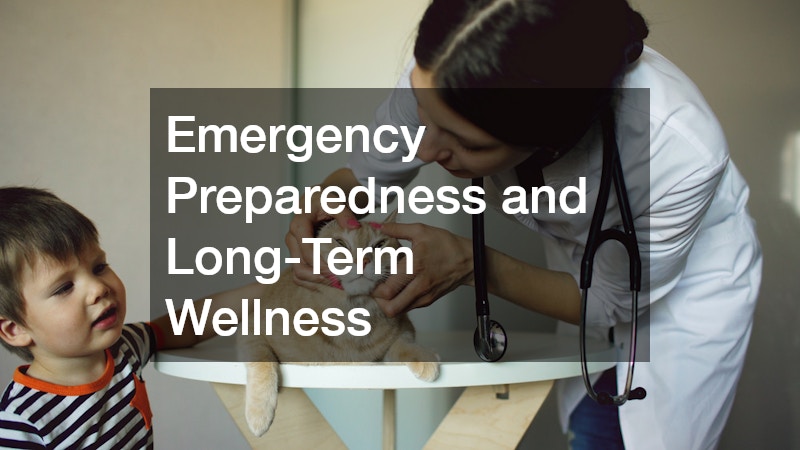
Even with the best planning, accidents happen. Being prepared for a medical crisis involving a child or a pet can make the difference between a minor scare and a tragedy.
Knowing Where to Turn
You likely have your pediatrician’s number on speed dial, but do you know where to go at 3:00 AM if your dog eats a chocolate bar or your cat becomes lethargic? Research the nearest pet emergency vet and keep their address saved in your GPS. Time is of the essence in toxicity or trauma cases.
Creating a Dual First-Aid Kit
Your home first-aid kit should serve everyone. Many items are interchangeable, such as:
Saline solution: Essential for gently rinsing dust or debris out of a child’s scraped knee or a pet’s irritated eye without stinging.
Gauze and medical tape: These are universal for stopping bleeding or protecting a wound; self-adhering vet wrap is especially useful for pets as it doesn’t stick to fur.
Digital thermometers: Crucial for monitoring fevers; however, make sure you keep one clearly labeled for the pet and one for the kids to maintain strict hygiene!
Antiseptic wipes: Use these to clean the area around a wound for both species, but ensure any ointments used afterward are pet-safe in case they lick the area.
Emergency Contact Cards:
Keep a laminated list of emergency numbers, insurance info for the kids, and microchip numbers for the pets in your kit so you don’t have to hunt for them during a panic.
The Power of Routine
Both children and pets thrive on predictability. When the household follows a strict schedule for meals, walks, and bedtimes, stress levels drop. Anxious pets are more likely to hide or react defensively, and overtired children are more likely to misbehave. By maintaining a rhythm, you create an environment where everyone feels secure.
Balancing the needs of pets and children is a marathon, not a sprint. There will be days when the house feels too small, the noise feels too loud, and the cleaning feels never-ending. But when you see your child curled up against a loyal dog to read a book, or watch them learn the gentle art of caring for a cat, the effort becomes worth it.
By investing in durable home materials, maintaining strict hygiene standards, and keeping emergency resources at the ready, you aren’t just managing a household—you are building a sanctuary. Embrace the mess, celebrate the milestones, and enjoy the unique, bustling life that only a home filled with children and animals can provide.