
Imagine stepping out into your backyard, greeted by the scent of sizzling food on the grill, the sight of a perfectly designed cooking space, and the warmth of friends and family gathered around. A backyard isn’t just a patch of grass or a garden—it can be a lifestyle extension, a space to entertain, relax, and create memories. One of the most transformative ways to enhance your outdoor living is by installing a fully functional outdoor kitchen.
Creating your dream outdoor kitchen involves more than placing a grill and a table outside. It requires thoughtful planning, attention to design, proper selection of materials, and the right professionals to bring the vision to life. In this article, we’ll guide you through the step-by-step process of turning your backyard into an outdoor cooking oasis. You’ll get actionable tips, practical advice, and insights that will help you avoid common mistakes while creating a space that’s both beautiful and functional.
1. Assessing Your Space and Clearing Obstacles

Before investing in expensive appliances or materials, it’s crucial to take a step back and evaluate your backyard thoroughly. A detailed assessment at this stage ensures your outdoor kitchen is not only visually appealing but also functional, safe, and sustainable over time. Skipping this step can lead to costly mistakes, such as ill-fitting appliances, poor drainage, or structural issues that require rework.
-
Measure and map your space: Create a scaled diagram of your backyard, marking dimensions, existing structures, and natural features. Note sun exposure and wind direction to plan shaded areas and airflow.
-
Identify obstacles and safety concerns: Uneven ground, low-hanging branches, or buried utility lines can interfere with construction. Ensure that any slope or drainage issues are noted for future planning.
-
Tree removal considerations: Some trees may block sunlight, encroach on planned layouts, or pose root problems. Professional tree removal is essential for large trees to prevent damage to property or injury. Professionals can also advise which trees to retain for shade or privacy.
-
Evaluate soil and terrain: Test soil stability, especially if you plan to build a patio or elevated deck. Unstable soil may require grading or support structures.
By carefully taking these steps, you establish a strong foundation for your outdoor kitchen. A well-prepared space minimizes surprises during construction, reduces the likelihood of costly adjustments, and ensures your contractors can work efficiently. Investing time in this early assessment allows you to make informed decisions about layout, materials, and safety, ultimately resulting in a backyard kitchen that is functional, durable, and visually cohesive.
2. Designing a Functional Layout
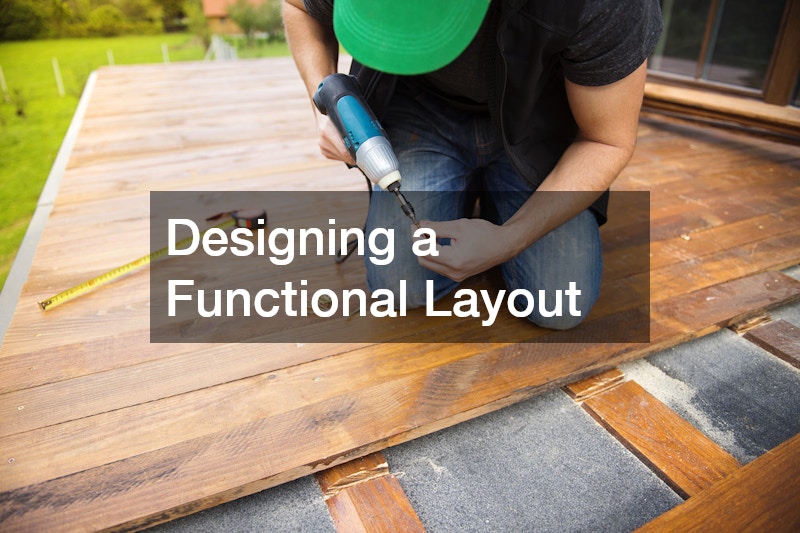
Designing a functional layout is one of the most critical steps in creating an outdoor kitchen that works as seamlessly as an indoor one. A well-thought-out design ensures that cooking, entertaining, and daily use are comfortable, efficient, and enjoyable. The key is balancing aesthetics with practical usability, creating a space that feels intuitive and inviting.
-
Divide into zones: Consider creating distinct areas for grilling, prepping, cleaning, dining, and lounging. This helps reduce congestion and keeps the cooking process organized.
-
Plan for traffic flow: Avoid placing appliances or furniture in main walkways. Think about how guests and family members will move through the space during gatherings.
-
Integrate multiple levels: If your backyard has slopes, consider multi-level layouts or raised decks for dining and seating areas. Experienced deck contractors can design platforms that complement your kitchen while maintaining safety and durability.
-
Maximize shade and airflow: Position seating and prep areas to take advantage of natural shade without obstructing sunlight for plantings. Consider using pergolas or retractable shades for flexible comfort.
-
Plan for expansion: Leave space for additional appliances, bar areas, or outdoor refrigerators if you plan to expand your kitchen in the future.
By carefully considering these elements, your outdoor kitchen layout balances functionality, comfort, and flow. Thoughtful design ensures the space is intuitive, safe, and versatile, making it enjoyable for cooking, entertaining, and everyday family use. A well-planned layout not only enhances efficiency but also creates an inviting environment that encourages social interaction and maximizes the potential of your backyard.
3. Selecting the Right Outdoor Kitchen Professionals
Even with a clear vision and well-thought-out plans, bringing your outdoor kitchen to life requires skilled professionals. Attempting to tackle complex installations on your own can lead to mistakes, safety hazards, or materials that fail prematurely. Hiring the right experts not only saves time but also ensures that every element—from cabinetry to plumbing and electrical work—is installed to professional standards.
-
Identify the right specialists: Depending on your project’s complexity, you may need a mix of designers, builders, and contractors specializing in outdoor spaces.
-
Check portfolios and reviews: Look for experience with outdoor materials, built-in appliances, and weatherproof finishes. Ask for references to see completed projects firsthand.
-
Clarify budgets and timelines: Request detailed quotes outlining labor, materials, and potential extra costs. Include any necessary permits or inspections in your budget.
-
Hire experts for custom installations: Kitchen contractors can design cabinetry, install grills and sinks, and ensure appliances are positioned for ergonomic workflow. They understand how to weatherproof materials and incorporate ventilation for outdoor cooking.
By carefully selecting the right professionals, you set the stage for a project that runs smoothly, stays within budget, and results in a high-quality outdoor kitchen built to last. The expertise of contractors not only ensures safety and durability but also enhances the overall aesthetics and functionality of your backyard space. This step is an investment in peace of mind, efficiency, and the long-term enjoyment of your outdoor kitchen.
4. Choosing Durable and Stylish Countertops
Countertops are often the visual and functional centerpiece of your outdoor kitchen, serving as the primary surface for food preparation, serving, and entertaining. Selecting the right material is critical because outdoor kitchens are exposed to the elements, high heat, and frequent use. A durable, stylish countertop not only enhances the overall look of your space but also ensures years of practical functionality.
-
Evaluate durability: Outdoor countertops face heat, moisture, and heavy use. Popular options include granite, concrete, stainless steel, and composite materials.
-
Consider maintenance: Smooth, non-porous surfaces resist stains, are easy to clean, and withstand exposure to outdoor elements.
-
Style and aesthetics: Countertops can complement the look of your backyard. Polished stone provides a sleek, elegant look, while textured concrete or tile can create a rustic or modern aesthetic.
-
Install stone countertops for luxury and resilience: natural stone countertops offer durability, heat resistance, and timeless appeal. Sealing stone counters adds protection against stains and fading, making them ideal for outdoor kitchens.
Investing in high-quality countertops ensures your outdoor kitchen is not only visually stunning but also practical for daily use. A durable, well-chosen surface makes food prep easier, provides ample serving space for guests, and elevates the overall cooking experience. By balancing functionality, maintenance needs, and aesthetic appeal, your countertops become the foundation for an outdoor kitchen that is both long-lasting and enjoyable.
5. Ensuring a Weatherproof Outdoor Roof or Cover
Protecting your outdoor kitchen from the elements is crucial for both durability and comfort. Without proper coverage, appliances, countertops, and cabinetry can deteriorate quickly due to sun, rain, wind, and temperature fluctuations. A thoughtfully designed roof or cover not only prolongs the life of your kitchen but also allows you to cook and entertain comfortably year-round.
-
Explore roofing options: Pergolas, gazebos, retractable awnings, and covered patios provide protection while maintaining style.
-
Consider ventilation: Adequate airflow prevents smoke from grilling areas from lingering and ensures a comfortable cooking environment.
-
Weatherproofing materials: Choose materials resistant to rain, sun, and wind. Look for UV-resistant fabrics and treated wood or metal for long-lasting performance.
-
Hire a roofer for installation: A professional roofer ensures roofs are sloped for drainage, securely anchored, and comply with building codes. Proper installation prevents leaks, structural damage, and future costly repairs.
A durable, well-installed roof or cover protects your appliances, countertops, and cabinetry from premature wear while enhancing the usability of your outdoor kitchen. Beyond protection, it creates a comfortable, shaded space for cooking, dining, and entertaining regardless of the season. Investing in a quality roof or cover transforms your backyard kitchen into a versatile, year-round retreat that you and your guests can enjoy in any weather.
6. Installing Safe and Efficient Electrical Systems

A modern outdoor kitchen relies heavily on electricity to power appliances, lighting, and entertainment systems. From built-in refrigerators and ice makers to grills, outdoor ovens, and sound systems, reliable power is essential. However, outdoor electrical work comes with unique challenges, including exposure to moisture, weather fluctuations, and potential safety hazards. Careful planning and professional installation are critical to ensure your kitchen is both functional and safe.
-
Plan circuits thoughtfully: Map out outlets for each appliance and lighting zone. Include extra outlets for future additions.
-
Use outdoor-rated wiring: Ensure wiring, outlets, and switches are rated for outdoor use, weatherproof, and protected by GFCI to prevent electric shocks.
-
Layered lighting: Use task lighting over prep areas, ambient lighting for seating, and accent lighting to highlight features or landscaping.
-
Hire wiring services professionals: Licensed electricians ensure code compliance, prevent hazards, and can integrate complex systems such as lighting controls or outdoor speakers.
Proper electrical planning enhances convenience, safety, and reliability, making your outdoor kitchen a comfortable and versatile space. By combining careful layout, high-quality materials, layered lighting, and professional installation, you can create a kitchen that functions seamlessly day and night while minimizing the risk of electrical hazards. Well-planned power infrastructure not only supports your appliances and lighting but also allows room for future upgrades and technological enhancements.
7. Planning Your Water Supply and Filtration
Water is one of the most essential elements in an outdoor kitchen, supporting cooking, cleaning, and beverage preparation. A reliable water supply and proper plumbing setup ensure convenience, efficiency, and safety while preventing future problems such as leaks or water damage. Careful planning at the start of your project will make your outdoor kitchen much easier to use and maintain.
-
Install sinks strategically: Place sinks close to prep and cooking areas to improve workflow. Consider incorporating ice makers or beverage stations.
-
Integrate a water filtration system: Filtered water improves taste and removes impurities, ensuring food and drinks are safe and fresh.
-
Work with a local plumber: Plumbers can install plumbing lines, prevent leaks, and ensure proper drainage. Professional installation avoids damage and reduces maintenance headaches.
-
Consider hot and cold water: Adding a small outdoor water heater enables dishwashing, beverage prep, and hand washing without running hoses.
A well-planned water supply, combined with filtration and professional installation, dramatically improves both hygiene and usability in your outdoor kitchen. It allows you to cook, clean, and entertain efficiently, while reducing the risk of water-related damage. By ensuring accessible sinks, filtered water, and hot-and-cold supply, your outdoor kitchen becomes a safe, practical, and fully functional space suitable for everyday use and large gatherings alike.
8. Adding Privacy and Safety with Fencing
Fencing plays a critical role in an outdoor kitchen beyond simply marking property lines. It can provide privacy from neighbors, enhance safety around cooking areas, and serve as a decorative feature that complements the overall backyard design. Thoughtful planning and professional installation ensure that your fence contributes both functionally and aesthetically to your outdoor space.
-
Choose suitable materials: Wood, vinyl, aluminum, or composite fencing each has pros and cons in terms of durability, maintenance, and style.
-
Placement matters: Ensure privacy without obstructing airflow or sunlight. Decorative lattice panels or screens can provide partial coverage while maintaining openness.
-
Enhance safety: Fences keep children and pets away from hot cooking areas or landscaping hazards. They can also define areas for entertaining.
-
Hire fence contractors for professional installation: Experienced fence contractors ensure fences are level, secure, and built to withstand weather and usage over time.
A well-designed and professionally installed fence integrates seamlessly with your outdoor kitchen, providing a balance of privacy, safety, and style. By carefully selecting materials, planning placement, and investing in quality craftsmanship, your fence becomes more than a boundary—it becomes a functional and attractive part of your backyard oasis.
9. Managing Soil and Landscaping Challenges
The terrain and landscaping surrounding your outdoor kitchen are critical factors that influence usability, aesthetics, and long-term durability. Proper management of slopes, soil, and plantings not only improves safety and functionality but also enhances the overall appeal of your backyard. Thoughtful landscaping can turn your outdoor kitchen into a cohesive, inviting space that blends seamlessly with the natural environment.
-
Grade for proper drainage: Ensure water flows away from appliances, countertops, and seating areas to prevent flooding or erosion.
-
Prevent erosion: Use plants, mulch, and stones to stabilize slopes and protect soil integrity.
-
Integrate landscaping features: Plan flower beds, shrubs, or decorative stones to enhance beauty and define functional zones.
-
Install a retaining wall: A retaining wall helps manage elevation changes, prevent soil erosion, and add structure. They can also double as seating or a visual focal point.
Proper terrain and landscaping management not only safeguards your outdoor kitchen but also enhances usability and enjoyment. By addressing drainage, erosion, and elevation challenges, and incorporating functional landscaping features, you create a sustainable, attractive, and well-organized environment. A thoughtful approach to terrain and landscaping ensures that your outdoor kitchen remains a beautiful and practical space for years to come, harmoniously integrated with the natural surroundings.
10. Final Touches and Decorating Your Outdoor Kitchen
Finishing touches are what transform an outdoor kitchen from a purely functional space into a welcoming, comfortable area that reflects your personality and lifestyle. These elements enhance usability, create ambiance, and ensure that your backyard is enjoyable year-round. Thoughtful additions can elevate both the aesthetic appeal and practicality of your outdoor kitchen, making it a space you’ll want to spend time in every day.
-
Choose durable, comfortable furniture: Weather-resistant tables, chairs, and bar stools enhance comfort and longevity.
-
Layer lighting: Combine string lights, lanterns, and LED fixtures for ambiance and practical illumination.
-
Add storage solutions: Hooks, shelves, and cabinets keep tools, utensils, and condiments organized.
-
Include seasonal comforts: Fire pits, patio heaters, and shade solutions extend usability throughout the year.
-
Personalize the space: Potted plants, outdoor rugs, and decorative accents make the area feel cohesive and welcoming.
Incorporating these finishing touches transforms your outdoor kitchen into a fully realized living space that is both functional and inviting. By prioritizing comfort, organization, ambiance, seasonal adaptability, and personalization, you create a backyard retreat that is perfect for cooking, dining, entertaining, or simply relaxing. Thoughtful attention to these details ensures that your outdoor kitchen is not just a cooking area, but a central hub for memories and everyday enjoyment.
Conclusion
Transforming your backyard into your dream outdoor kitchen is a journey that blends design, functionality, and personal style. By carefully assessing your space, designing an efficient layout, hiring skilled professionals, and selecting durable materials, you can create a backyard oasis perfect for entertaining, relaxing, and enjoying meals with loved ones.
From countertops to plumbing, fences to retaining walls, every element contributes to a space that’s both beautiful and practical. With thoughtful planning and attention to detail, your outdoor kitchen can become a central hub for family gatherings, social events, and everyday enjoyment. Embrace the process, and watch as your backyard transforms into a functional, stylish, and inviting extension of your home.